
Get Your Instant Quote Now!
Get Started
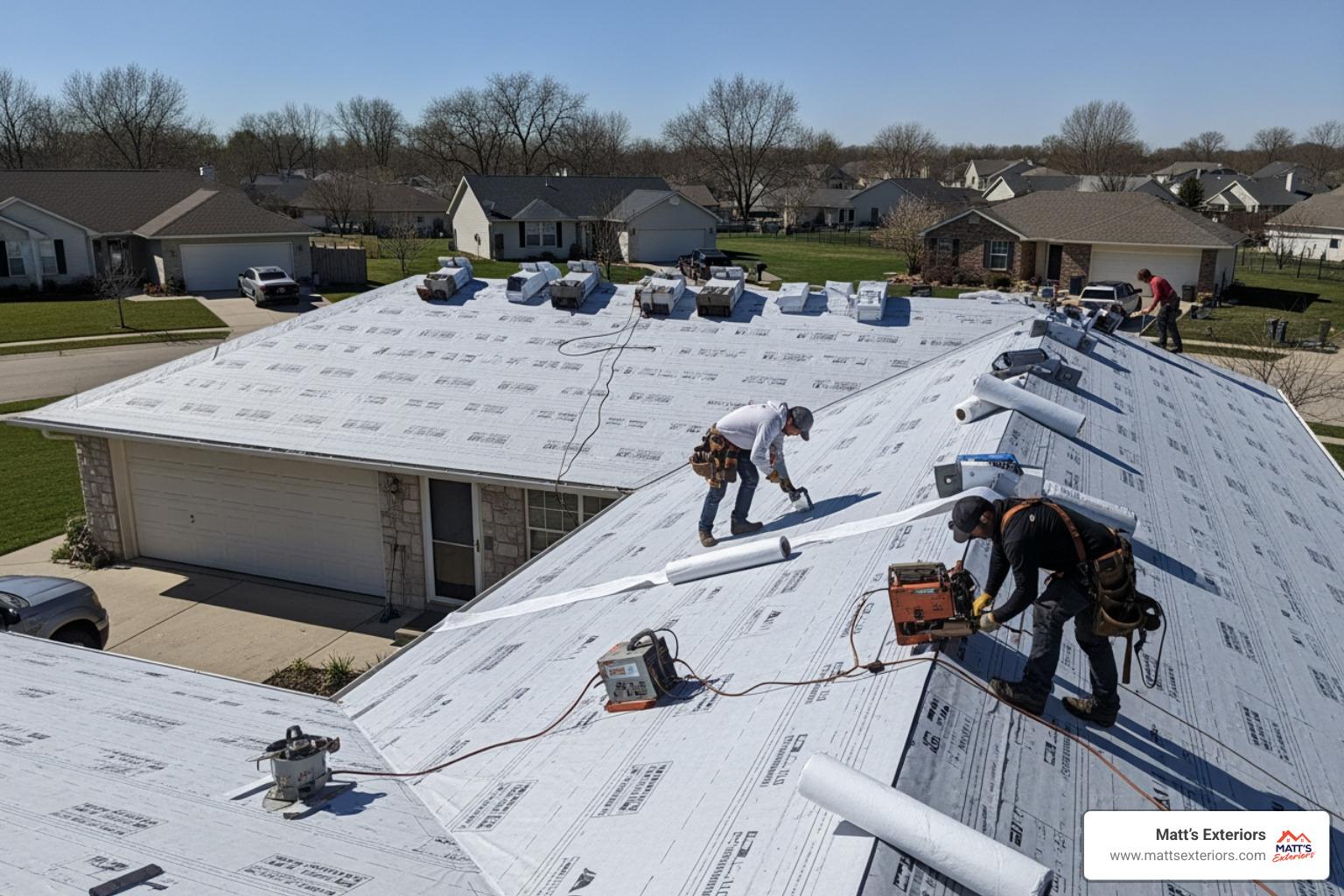
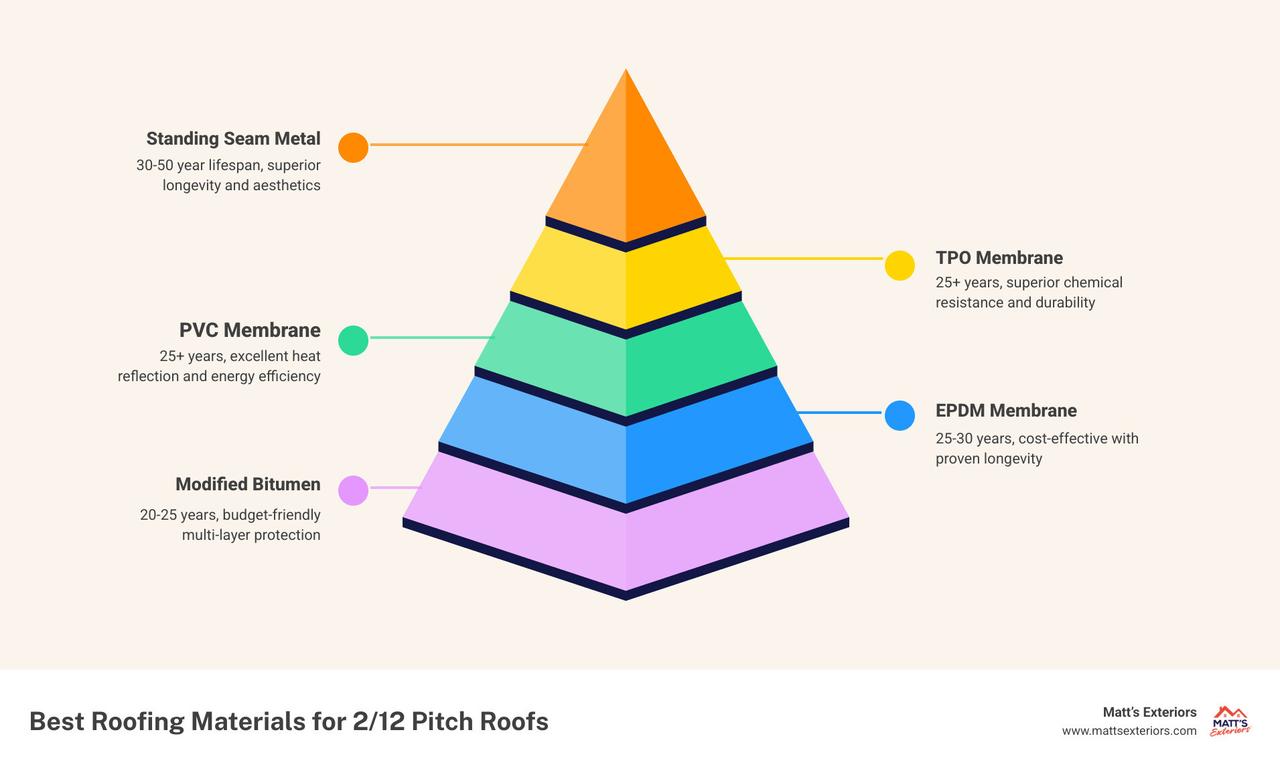
The best roofing material for 2/12 pitch roofs depends on your budget and priorities, but here are the top options recommended by roofing professionals:
A 2/12 pitch roof rises just 2 inches for every 12 inches of horizontal distance. That works out to roughly a 9.46-degree angle — barely a slope at all.
The problem? Water moves slowly on a shallow roof. Instead of draining quickly, it lingers. And standing water is the number one enemy of most roofing materials.
This is why material selection is so critical on a 2/12 pitch. The wrong choice — like standard asphalt shingles — can lead to leaks, premature failure, and voided warranties. The right choice keeps your home protected for 25 to 50 years.
If you have a low-slope roof on your Metro Atlanta home and you're not sure what's on it or whether it's the right fit, you're not alone. It's one of the most common roofing questions homeowners face.
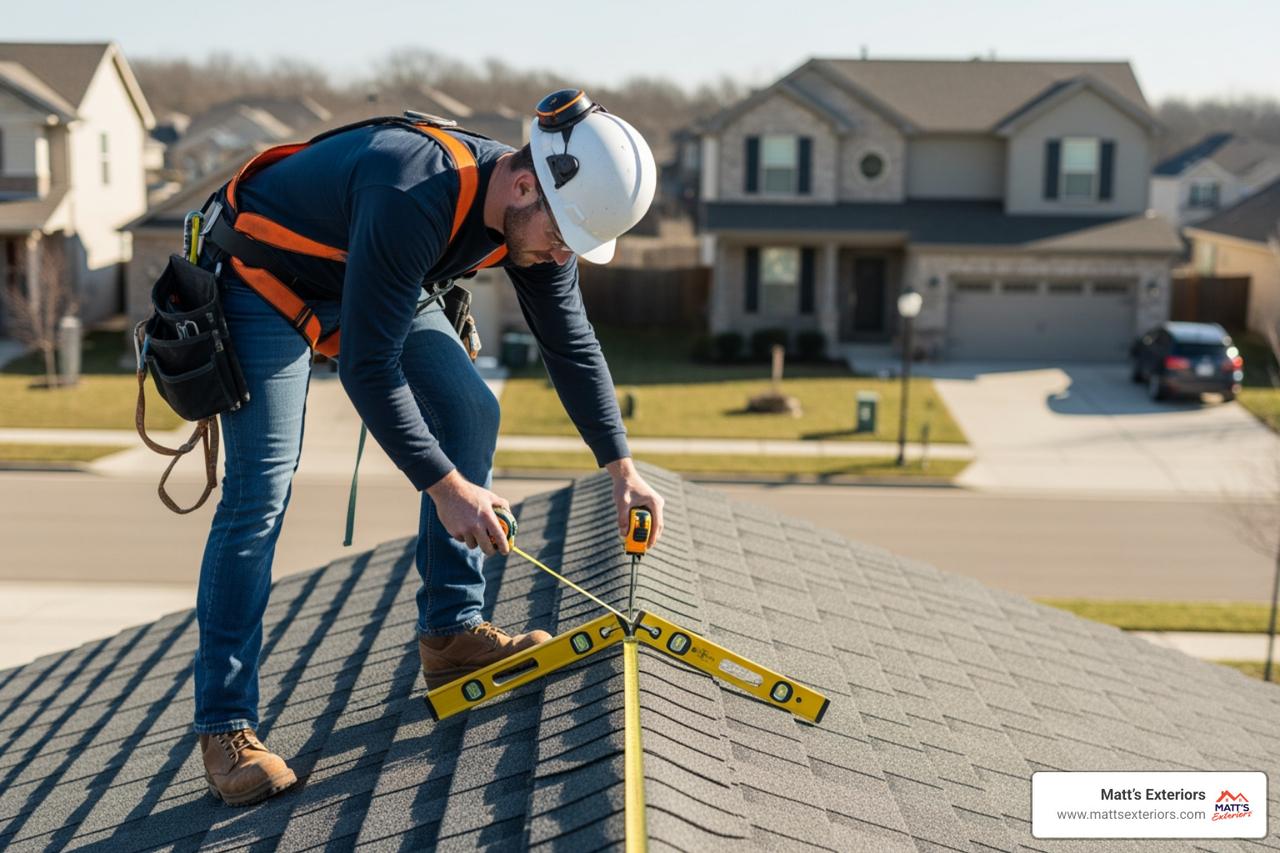
In roofing, "pitch" is just a fancy way of saying how steep your roof is. When we talk about a 2/12 pitch, we are describing a roof that rises 2 inches vertically for every 12 inches it extends horizontally. To put that in perspective, a standard residential roof in neighborhoods around Marietta or Alpharetta usually sits between a 4/12 and 8/12 pitch.
At a 2/12 pitch, your roof is technically classified as "low-slope." This 9.46-degree angle creates a unique set of physics challenges. On a steep roof, gravity is your best friend; it pulls rain and snow off the surface before they have a chance to find a way inside. On a 2/12 slope, water moves much more lazily.
This slow drainage increases what experts call "hydrostatic pressure." Essentially, the weight of the water sitting on the roof for longer periods can force moisture into tiny gaps that wouldn't be an issue on a steeper roof. This is why building codes and manufacturer specifications are so strict for this pitch. If the material isn't designed to be watertight under ponding conditions, moisture infiltration is almost a guarantee.
Furthermore, cool roofs are particularly effective on low-slope structures. Because these roofs are often less visible from the ground, homeowners can prioritize high-reflectivity materials that bounce solar heat away, keeping your Atlanta home cooler during those sweltering Georgia summers.
We often get asked, "Can I just use the same shingles that are on the rest of my house?" While asphalt shingles are the most popular choice in America, they are designed as "water-shedding" systems, not "waterproof" systems. They rely on a steep enough angle to shed water from one shingle to the next.
On a 2/12 pitch, shingles face several uphill battles:
For a deeper dive into why shingles might not be your best bet, check out our guide on Rolled Roofing vs Shingles: What's Best for a Low Slope Roof.
Since shingles are risky, what should you use? The best roofing material for 2/12 pitch applications is typically a membrane or a specialized metal system. These materials are designed to be "monolithic," meaning they create a single, continuous waterproof barrier.
Material Expected Lifespan Maintenance Level Best Feature TPO/PVC 25+ Years Low Energy Efficiency EPDM 25-30 Years Moderate Durability/Rubberized Standing Seam Metal 30-50 Years Very Low Longevity/Aesthetics Modified Bitumen 15-20 Years Moderate Multi-layer redundancy
Choosing the right one involves balancing your budget with how long you plan to stay in your home. Our roof replacement services focus on matching these technical requirements to your specific home design.
Single-ply membranes are the heavy hitters of the low-slope world. They come in large rolls and are either glued down, mechanically fastened, or heat-welded at the seams.
For most residential living spaces, we recommend a 60 mil thickness for these membranes to ensure superior puncture resistance and UV protection.
If you want a roof that might just outlast your mortgage, standing seam metal is the gold standard. Unlike "screw-down" metal panels where the fasteners are exposed to the weather, standing seam systems use concealed clips.
This is vital for a 2/12 pitch because:
While the upfront cost is higher, the 50-year lifespan and modern aesthetic make it a favorite for contemporary homes in Buckhead or Sandy Springs.
Modified bitumen is the modern evolution of the old "tar and gravel" roofs. It consists of asphalt that has been "modified" with plastic or rubber polymers and reinforced with fiberglass or polyester.
It is typically installed in two or three layers. The base layer provides the first line of defense, while the "cap sheet" has a granulated surface similar to shingles to protect against UV rays. You can find these in "torch-down" versions (where a flame melts the seams together) or "self-adhered" (peel-and-stick) versions, which are safer for residential applications. It's a rugged, puncture-resistant choice that offers great redundancy.
Even the best roofing material for 2/12 pitch will fail if the underlying components aren't handled correctly. On a low slope, the "details" are everything.
To understand how these parts work together, see our Guide to the Components of a Roof.
Technically, no. A "flat" roof is usually anything from 0/12 to 2/12, but even a flat roof should have a slight 1/4-inch-per-foot slope to allow for drainage. A 2/12 pitch is officially called a "low-slope" roof. It’s in that middle ground where it looks somewhat flat but still has a discernible angle.
Most roofing experts and manufacturers advise against it. While some codes allow shingles down to a 2/12 pitch if you use a double layer of underlayment, the risk of leaks and shortened lifespan is significantly higher. If your roof is exactly 2/12 or lower, a membrane or standing seam metal is a much safer investment.
Cost varies by material. Generally, EPDM and TPO are more affordable than standing seam metal. However, because low-slope roofs require specialized labor and more intensive waterproofing at the seams and flashings, the cost per square (a 10x10 area) can be higher than a standard shingle roof. In the Metro Atlanta market, you are investing in the specialized skill required to keep a low-slope structure dry.
Selecting the best roofing material for 2/12 pitch is about more than just picking a color; it’s about engineering a solution that can handle the unique stresses of slow-moving water. Whether you opt for the energy-reflecting power of TPO, the rugged durability of EPDM, or the lifetime protection of standing seam metal, getting the installation right is the most important step.
At Matt’s Exteriors, we’ve handled over 12,000 projects across Metro Atlanta since 2007. From Peachtree City to Cumming, our family-owned team understands the specific challenges our Georgia climate poses to low-slope roofs. We pride ourselves on high-quality workmanship and using only the most trusted materials in the industry.
Ready to ensure your low-slope roof is up to the task? Explore our full range of services or contact us today for a professional consultation. Whether you need a simple repair or a full roof replacement, we’re here to provide the exceptional care your home deserves.