
Get Your Instant Quote Now!
Get Started
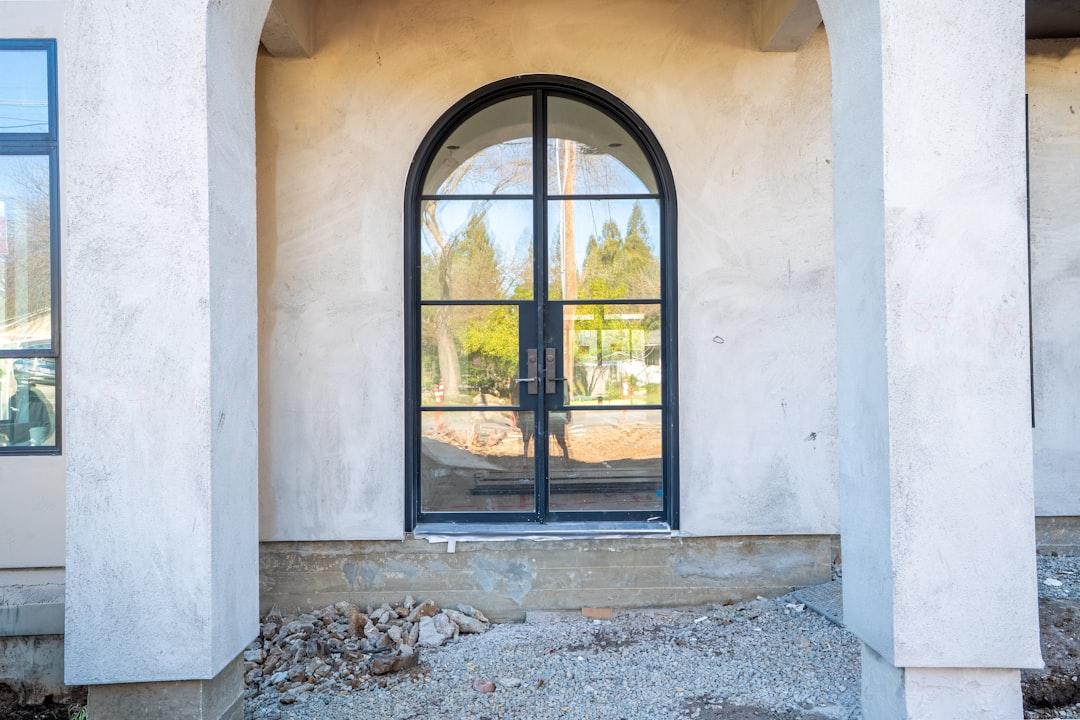
Exterior doors are one of the hardest-working parts of your home. They handle daily traffic, block out weather, keep intruders out, and set the tone for everything visitors see when they pull up to your house.
Here's a quick look at the main types and what they do:
Door Type Best For Front door Curb appeal, daily entry, first impressions Storm door Seasonal weather protection, added insulation Screen door Ventilation, insect control, airflow Security door Reinforced protection against forced entry Patio door Backyard access, natural light, indoor-outdoor flow Pet door Convenient access for pets without opening main doors
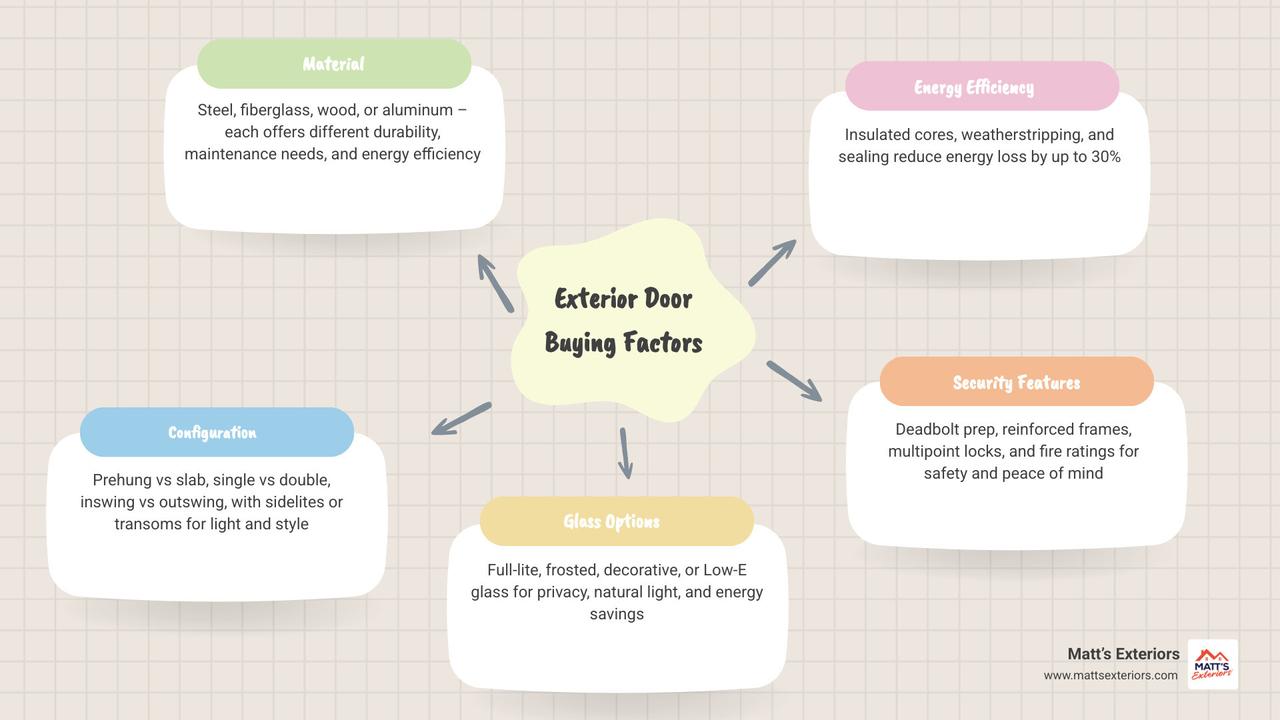
And the key factors that drive buying decisions:
The right door does more than look good. A properly insulated and sealed exterior door can reduce energy loss by up to 30% — a real number that shows up on your monthly utility bill.
I'm Matt Lopez, founder of Matt's Exteriors, and with nearly two decades of exterior remodeling experience across Metro Atlanta, I've helped hundreds of homeowners choose and install exterior doors that perform in Georgia's demanding heat, humidity, and storm seasons. In this guide, I'll walk you through everything you need to know to make a confident, well-informed decision.
Not all exterior doors do the same job. Some are built to impress, some are built to ventilate, and some are built to say, "not today" to weather and forced entry.
Your front door is usually the star of the show. It is the main entry point, the visual centerpiece of the facade, and one of the first things people notice from the curb. A good front door should match your home's architecture, hold up to frequent use, and make daily coming and going feel easy.
For most homes in Metro Atlanta, front doors need to balance:
This is where material and design matter a lot. A classic paneled entry door works well on traditional homes, while sleek flush designs or large glass panels fit modern exteriors better. If you want inspiration, this residential entry doors overview is helpful for seeing common entry-door formats.
Storm and screen doors are support players, but very useful ones.
A storm door adds an extra outer layer in front of your main entry door. Many models use interchangeable glass and screen panels, so you can switch with the seasons. That makes storm doors handy for:
A screen door focuses more on ventilation and bug control. It lets fresh air in while keeping insects out, which is great during those Georgia days when you want a breeze without inviting every mosquito in the zip code.
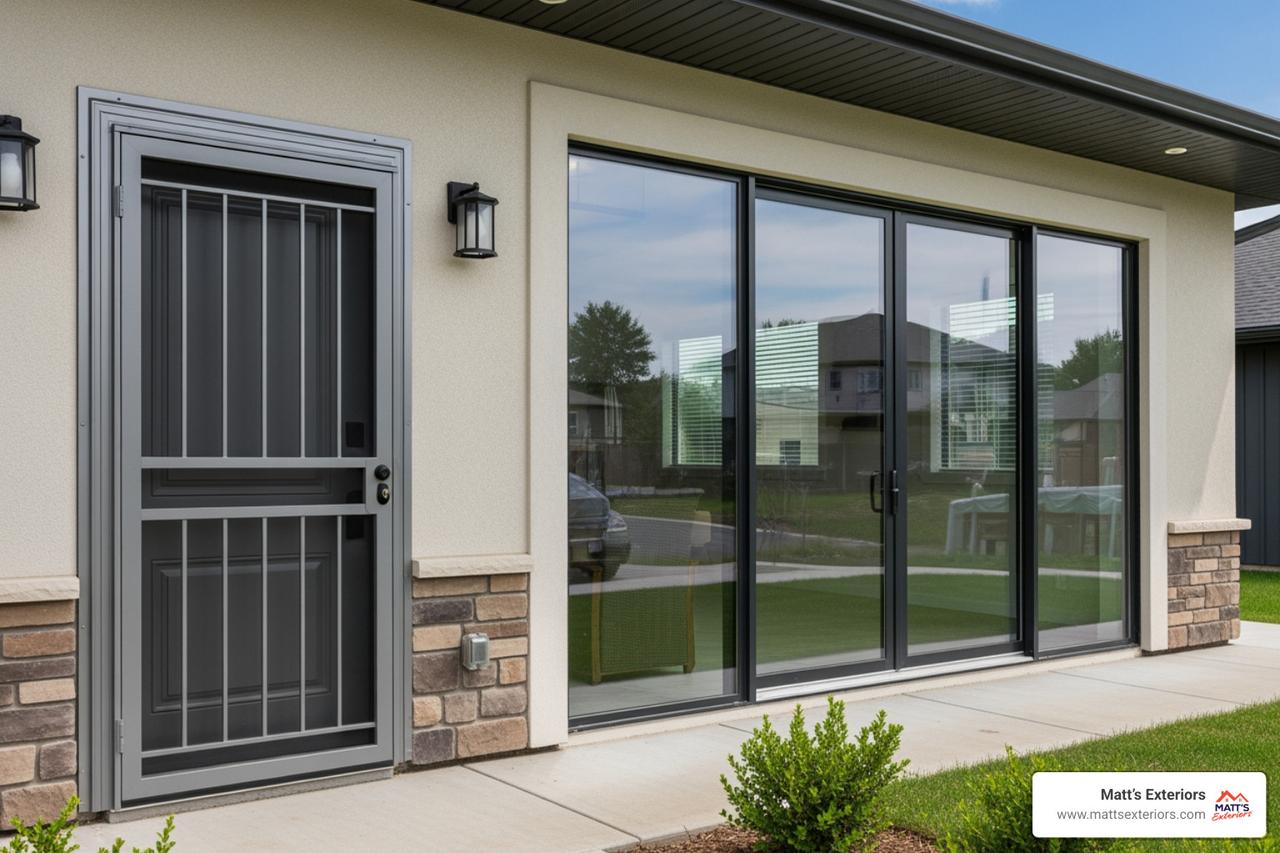
Security doors are built with reinforced materials, stronger frames, and heavier-duty hardware. They are designed to add a serious layer of protection against forced entry.
Patio doors serve a different purpose. They connect indoor and outdoor spaces, bring in natural light, and help create a more open feel. Common types include:
Contemporary styles with oversized glass can increase natural light by 40% or more, which is one reason patio and glass-heavy entry doors remain so popular.
Commercial exterior doors are made for heavier use and more demanding traffic patterns. These are common on mixed-use properties, detached workshops, or exterior-access business spaces where durability and code compliance matter.
Pet doors are also worth mentioning. They can be built into certain slab doors, storm doors, or patio door systems, though not every material or glass configuration is a good candidate.
The best material depends on your priorities. If you want low maintenance, one winner emerges. If you want natural beauty, another does. If you want to save money up front, there is a clear front-runner.
Material Durability Maintenance Energy Efficiency Typical Cost Steel Strong, secure, can dent Low Good with insulated core Low to mid Fiberglass Resists warping, rot, denting Very low Very good Mid to high Wood Beautiful but sensitive to moisture High Fair to good Mid to premium Aluminum Lightweight, corrosion-resistant Low Varies by design Mid
Steel is one of the most practical choices for homeowners who want strength and value. Many steel doors use insulated foam cores, which helps with thermal performance. Some models also offer 20-minute fire ratings, adding another layer of safety.
Steel doors are often chosen because they offer:
Tradeoffs do exist. Steel can dent, and if the finish gets damaged and left exposed, corrosion can eventually become an issue. Still, for many homeowners, steel hits the sweet spot between budget and performance. For a real-world example of a steel prehung unit, see this 32 in. x 80 in. Premium Full Lite Right-Hand Inswing Primed Steel Prehung Front Exterior Door with Brickmold.
Fiberglass is one of our favorite options for Georgia homes because it handles moisture and weather swings so well. Research consistently shows fiberglass exterior doors resist warping, rotting, and denting better than wood in harsh conditions.
That makes fiberglass a strong choice if you want:
Many fiberglass doors are available with realistic wood-grain finishes, so you can get the warm look of mahogany, oak, or fir without the same level of refinishing and weather concerns. For a broader look at front-door materials, see Explore front door materials.
Wood doors are hard to beat on character. They offer warmth, depth, and custom design flexibility that many homeowners love, especially on traditional, craftsman, or historic-style homes.
Wood works best when appearance is the top priority and you are comfortable with more maintenance. Expect to stay on top of:
Aluminum doors are often used where slim profiles and modern aesthetics matter. They are lightweight and corrosion-resistant, and they pair well with glass-heavy designs. The main caution is that thermal performance depends heavily on how the door is engineered.
Even a great door can be a bad fit if the configuration is wrong. Size, swing direction, frame condition, and glass layout all affect performance.
A prehung door comes attached to its frame and usually includes hinges, weatherstripping, and a threshold. A slab door is just the door panel.
Prehung doors are usually the better option when:
Slab doors make more sense when the existing frame is in excellent condition and you want to reuse it.
In simple terms, prehung means less guesswork and slab means more precision is required. If you are comparing options, our page on exterior doors and this guide to Prehung door basics can help clarify the difference.
Single doors are the standard pick for most homes. Double doors create a grander entry and can make moving large items easier, but they cost more and need more wall space.
Inswing doors are most common for front entries. Outswing doors can be useful where interior space is tight or where weather performance and security strategy call for that design. The right choice depends on layout, code requirements, and threshold conditions.
Common sizes include:
The rough opening must be larger than the unit itself. For example, a 32 x 80 prehung door may require a rough opening over 34 inches wide and around 82 inches high, depending on the frame and manufacturer. Wall depth matters too, especially when choosing jamb size.
Sidelites are narrow glass panels beside the door. Transoms sit above it. Together, they can make an entrance feel larger, brighter, and more custom.
These features are popular because they:
But more glass also means more decisions. You may want:
If privacy matters, our guide to the frosted glass exterior door is a good next read.
Exterior door prices vary widely because you are not just buying a slab. You are often buying a system: panel, frame, sill, glass, weatherseals, hardware prep, finish, and installation.
The biggest base cost factors are:
Steel is often the most budget-friendly. Fiberglass usually costs more up front but can offer better durability and lower maintenance. Wood can range from moderate to very expensive depending on species and customization.
Once glass enters the chat, the price usually goes up.
Full-lite glass, decorative inserts, privacy glass, transoms, custom paint colors, stain-grade wood, specialty panel layouts, and matching sidelites all add cost. Double doors and oversized units do too.
This does not mean they are not worth it. It just means style features usually carry a premium.
Stock doors are usually cheaper and faster to get. Custom orders offer more flexibility but often involve longer lead times and higher pricing.
The biggest price factors are:
Promotions can make a meaningful difference, especially on standard-size in-stock units. Custom configurations may not be available for immediate pickup and often require extra production time.
If budget is your top concern, these guides may help:
A quality exterior door is not just about the face panel. The hidden details often matter more.
Look for doors with:
These features help block drafts, moisture, and heat transfer. Properly sealed systems can reduce energy loss by up to 30%, which is a big reason energy-smart doors pay off over time.
Security starts with more than the lockset. We recommend looking for:
Some steel doors also offer fire-rated options, including 20-minute labels on certain models. If you want a more private and secure appearance, a solid panel style can be a smart choice. This solid steel 6-panel front entry door example shows the kind of features often included in more security-focused designs.
A good warranty can tell you a lot about how the manufacturer views its product. Review coverage for:
Composite frame parts and rot-resistant bottom rails are especially helpful in wet conditions. Factory finishes also tend to outperform rushed site finishing. For more design context, this residential entry doors overview offers a solid overview of common system features.
A beautiful door installed badly is still a bad door. We have seen plenty of doors that looked great in the box and terrible after a rushed install.
Before ordering, measure the rough opening, not just the old slab. That means checking:
Professional installation usually includes shimming, fastening, flashing, and sealing. Sill pans and proper exterior flashing are important for water management, especially in Georgia's heavy rains.
Door handing can confuse just about everyone at least once. "Right-hand inswing" and "left-hand outswing" describe hinge side and swing direction. Getting this wrong is an easy way to create a very expensive headache.
You also need to confirm:
If a door does not include hardware, plan for that cost separately.
Style should match the house, not fight it.
Contemporary exterior doors use sleek lines, flush panels, minimalist hardware, and often larger glass areas. They pair well with modern and mid-century inspired homes. Oversized glass can dramatically increase light.
Traditional doors lean on raised panels, classic proportions, decorative glass, and timeless details. They suit Colonial, Georgian, and many established neighborhood styles. For examples, see these Traditional door style examples.
Transitional doors blend the two. Think clean lines with a few classic details. They work well when the home mixes old and new elements, which is common in many Metro Atlanta remodels.
For harsh weather, fiberglass is often the best all-around choice. It resists warping, rotting, and denting better than wood, and it handles moisture well with minimal maintenance. In Georgia's humidity and storms, that makes fiberglass a very practical long-term option.
Choose prehung if the existing frame is damaged, out of square, or drafty, or if you want a simpler path to a tighter installation. Choose slab only if the current frame is in great condition and you are confident the replacement will align correctly. For most full replacements, prehung is the safer bet.
Not necessarily. Modern glass doors can still be secure and efficient when they use tempered safety glass, insulated glass units, quality weatherseals, and strong locking hardware. Privacy glass and frosted glass can also improve privacy without sacrificing light.
The best exterior doors balance looks, protection, efficiency, and fit. The right choice depends on how you use the door, how much maintenance you want, what style suits your home, and how much performance you need from the full door system.
At Matt's Exteriors, we help homeowners across Metro Atlanta choose doors that make sense for real life, not just showroom lighting. We bring high-quality workmanship, trusted materials, and exceptional customer care backed by more than 12,000 projects since 2007.
If you are comparing materials, styles, or replacement options, start here for more info about exterior doors.