Why Replacing Exterior Wood Siding Is One of the Smartest Home Upgrades You Can Make
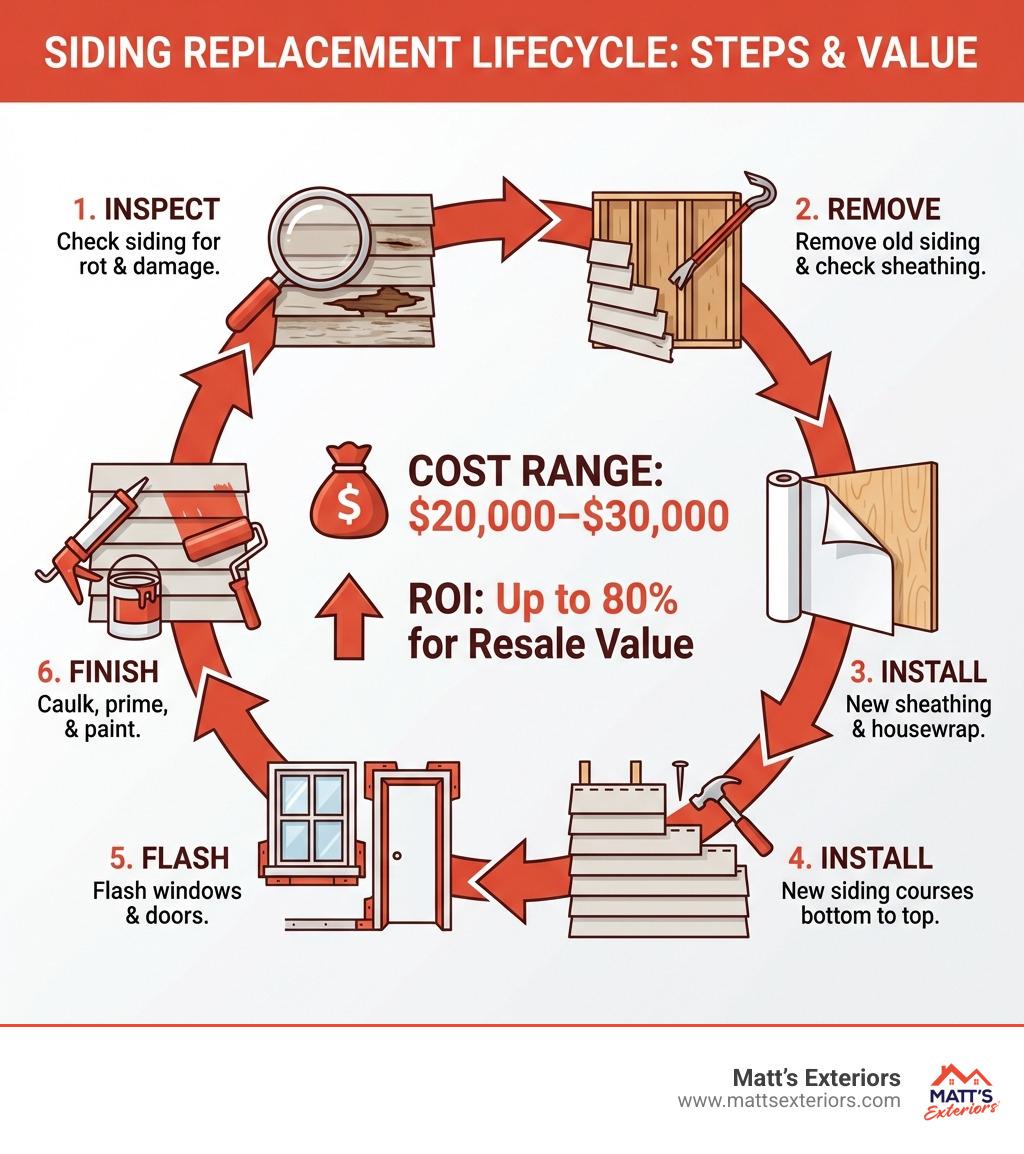
The fastest way to replace exterior wood siding is to follow these core steps:
Inspect the existing siding and sheathing for rot, mold, or structural damage
Remove the old siding carefully using a pry bar and oscillating multi-tool
Repair or replace any damaged sheathing or studs underneath
Install a weather-resistant barrier (housewrap)
Install new siding from the bottom up, nailing into studs
Flash all windows and doors to prevent water intrusion
Caulk, prime, and paint all exposed edges and joints
Your home's siding does more than look good — it's the first line of defense against rain, wind, pests, and rot. When it starts to fail, the damage doesn't stop at the surface. Water sneaks in, sheathing softens, and before long you're looking at a much bigger problem than a few warped boards.
The good news? A full siding replacement is one of the highest-return projects you can do. Homeowners recover up to 80% of the cost in resale value — and in Metro Atlanta's humid climate, acting before damage spreads can save you thousands.
Whether you've spotted soft spots, peeling paint, or boards that are pulling away from the wall, this guide walks you through everything you need to know — from deciding whether to repair or replace, to choosing the right materials, to doing the job correctly the first time.
Planning to Replace Exterior Wood Siding: Repair vs. Full Replacement
When you walk around your home in Alpharetta or Marietta and notice a few boards looking a bit "fuzzy" or soft to the touch, your first instinct might be to just swap those specific pieces out. But before you grab the hammer, you need to determine if you’re looking at a localized "oops" or a systemic "oh no."
Wood siding is a classic choice, but it’s also a biological one. Unlike vinyl or metal, wood is essentially "food" for certain fungi and pests if it isn't kept dry and sealed. According to the 2024 Remodelling Cost vs. Value Report, siding replacement projects are heavy hitters for ROI, often outperforming major kitchen or bathroom remodels in terms of the percentage of cost recovered at sale.
If you are dealing with widespread issues, a full replacement is often the more financially sound long-term move. Patching rotted areas can feel like playing a game of "whack-a-mole" where new rot appears as soon as you finish fixing the old spot. For a professional evaluation of your home's current state, our Siding Services can help you decide the best path forward.
When to Replace Exterior Wood Siding vs. Patching
So, when is it time to pull the trigger on a full tear-off?
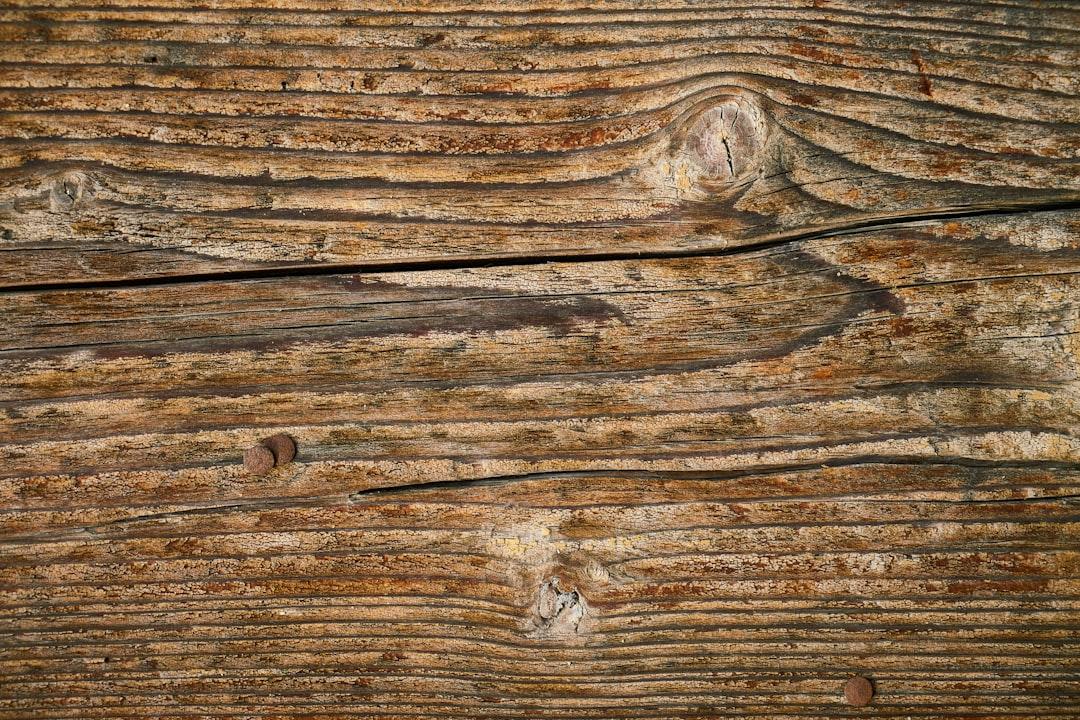
Widespread Rot: If more than 15-20% of your boards show signs of soft spots or decay, the underlying moisture barrier has likely failed.
Soft Spots in Sheathing: If you poke a screwdriver into a rotted siding board and it keeps going through the wood behind it, your sheathing is compromised.
Insect Infestation: Termites and carpenter ants love damp wood. If you see "frass" (insect sawdust) or exit holes, the damage is likely deeper than the surface.
Mold and Mildew: Persistent mold growth isn't just an eyesore; it's a health hazard. The EPA guide on mold and moisture notes that moisture control is the key to mold control. If your siding is holding water, the mold will keep coming back.
Pros and Cons of Installing Over Old Siding
A common question we hear from DIYers in Atlanta and Woodstock is: "Can I just put the new siding over the old stuff?"
While technically possible (and often seen in older homes where aluminum was nailed over original wood), we generally advise against it. Here’s why:
Pros: You save on labor and disposal costs. It can provide a tiny bit of extra insulation.
Cons: You are essentially "burying a body." If there is rot in the old wood, it will continue to spread to your new materials. It also creates "moisture traps" where condensation gets stuck between layers.
Code Compliance: Many local building codes in Georgia limit you to two layers of siding. If you already have two, you must strip it back.
Shear Value: New siding needs to be nailed into the studs to provide structural "shear" strength. Nailing through multiple layers makes it harder to hit the studs securely.
The U.S. Department of Energy on wall insulation suggests that while you can add rigid foam over old siding, the best time to address energy efficiency is when the walls are stripped bare, allowing you to seal air leaks and check the health of your insulation.
Essential Materials and Tools for Siding Replacement
To replace exterior wood siding correctly, you need more than just a hammer and a dream. This is a big project that requires specific carpentry tools and, most importantly, safety gear.
The Siding Toolkit
Oscillating Multi-Tool: This is your best friend for cutting nails behind boards without damaging the surrounding wood.
Pry Bar (and a scrap of 1/4" plywood): Use the plywood as a "shield" to protect the good siding when prying against it.
Galvanized Ring-Shank Nails: These resist rust (which causes those ugly black streaks) and the "rings" on the shank provide superior grip so the boards don't pull away over time.
Safety Gear (PPE): Safety glasses, hearing protection, and a good dust mask are non-negotiable, especially if you're cutting fiber cement or dealing with old, moldy wood.
According to the Harvard Joint Center for Housing Studies on home improvement trends, homeowners spent over $500 billion on improvements in 2023, with a significant portion going toward high-durability exterior upgrades. Investing in the right tools ensures your portion of that investment lasts for decades.
Choosing the Best Sheathing and Housewrap
Once the old siding is off, you’re looking at the "bones" of your house. You have three main choices for new sheathing if the old stuff is rotted:
OSB (Oriented Strand Board): Affordable and standard, but loses structural integrity quickly if it gets wet.
Plywood: More expensive than OSB, but handles moisture better and has higher "shear" strength.
Zip System: A modern favorite. It’s a green-colored sheathing with a built-in weather barrier. You just tape the seams, and you're done.
If you don't use a system like Zip, you must use a high-quality housewrap like Tyvek. This acts as a one-way valve: it keeps liquid water out but allows water vapor to escape from inside your walls, preventing the dreaded "wall rot."
Modern Alternatives to Traditional Wood Siding
While we love the look of natural cedar, many homeowners in Suwanee and Johns Creek are opting for alternatives that offer the same look with less homework.
Fiber Cement:James Hardie siding is the gold standard here. It’s made of cement, sand, and cellulose fibers. It’s fire-resistant, rot-proof, and woodpeckers hate it.
Engineered Wood: Products like LP SmartSide use wood strands treated with zinc borate and waxes. It’s lighter than fiber cement and very impact-resistant.
Vinyl: The most budget-friendly option. Modern vinyl has come a long way in terms of aesthetics, though it lacks the "heft" and resale value of wood or fiber cement.
Step-by-Step Guide to Replace Exterior Wood Siding
Ready to get to work? Here is the "boots on the ground" process for a full replacement.
1. Preparation and Layout
Don't just start nailing. Use a story pole — a long scrap of wood where you mark exactly where each row (or "course") of siding will sit. This ensures that when you get to the top of a window, your siding lines up perfectly on both sides.
2. Removing Old Siding and Inspecting Sheathing
Start from the top and work your way down if you're doing a full tear-off. This makes it easier to see the nails. If you're only replacing a few boards, use your oscillating tool to cut the nails behind the board above the one you're removing.
Pro Tip: Always place a piece of plywood under your pry bar so you don't dent the siding you intend to keep.
Inspection: Look for dark stains or "punky" (soft) wood on the sheathing. If you find rotted studs, you must sister them with new lumber before proceeding.
3. Proper Flashing and Ventilation Techniques
Water doesn't just fall straight down; it blows sideways and wicks upward.
Window Flashing: Use "Z-flashing" or drip caps above every window and door. This directs water over the trim rather than behind it.
Furring Strips: In very wet areas, we recommend installing vertical furring strips over the housewrap. This creates a "rainscreen" — a small gap that allows air to circulate behind the siding, drying out any moisture that sneaks through.
Integrity: If you're worried about your windows while the siding is off, it might be the perfect time for a Window Installation to ensure the entire wall system is watertight.
Avoiding Common Mistakes and Ensuring Longevity
The difference between a 10-year siding job and a 50-year siding job is in the details.
Common DIY Pitfalls
Nailing Too Tight: Wood needs to breathe and move. If you "face-nail" everything too tightly, the boards will buckle and warp when the Georgia humidity hits 90%.
Skipping the Gaps: Leave a 1/8-inch gap where siding meets trim. This gap gets filled with high-quality caulk to allow for expansion.
Ignoring the Edges: When you cut a board, you expose raw wood. Always prime the cut ends before you nail the board up. This prevents water from wicking into the end grain, which is where rot usually starts.
Maintenance Tips to Prevent Future Rot
Once your new siding is up, your job isn't quite over.
Gutter Maintenance: Clogged gutters cause water to overflow and splash back onto your siding. Keep them clear, or consider a Gutter Replacement if yours are undersized.
Plant Trimming: Keep bushes and trees at least 12 inches away from your walls. Plants trap moisture against the wood and provide a "bridge" for pests.
Paint and Seal: For traditional wood, expect to re-apply Exterior Paint or sealant every 5-7 years to keep the UV rays and rain at bay.
Frequently Asked Questions about Siding Replacement
How long does it take to replace exterior wood siding?
For a DIYer working weekends, a standard 2,000-square-foot home can take 4 to 8 weeks. A professional crew can usually knock it out in 1 to 2 weeks, depending on the weather and the amount of structural repair needed once the old siding is removed.
How much does it cost to replace siding on an average home?
A full replacement typically ranges from $20,000 to $30,000. Factors that drive this price up include:
Material Choice: Cedar is pricier than engineered wood.
Home Height: Two or three-story homes require scaffolding and more labor.
Hidden Damage: You won't know if your studs are rotted until the "skin" comes off.
When should I hire a professional for siding replacement?
If your home is more than one story, or if you suspect structural rot, it’s time to call in the pros. Working on high ladders while handling 12-foot boards is dangerous. Furthermore, a professional installation often comes with a warranty that a DIY project simply can't match.
Conclusion: Trust the Experts at Matt’s Exteriors
Replacing your siding is a massive undertaking, but it’s one of the best ways to protect your family's biggest investment. At Matt’s Exteriors, we’ve been serving the Metro Atlanta area since 2007. From Cumming to Fayetteville and Peachtree City to Buford, we’ve completed over 12,000 projects with a focus on high-quality workmanship and exceptional customer care.
Whether you need a few rotted cedar planks swapped out or a full-home transformation with fiber cement, our family-owned team is here to help. We understand the specific challenges of the Georgia climate and use only the most trusted materials to ensure your home stays beautiful and dry for decades to come.
Ready to give your home the protection and curb appeal it deserves? Get more info about our siding services or contact us today for a consultation. Let's make your home the envy of the neighborhood!