
Get Your Instant Quote Now!
Get Started
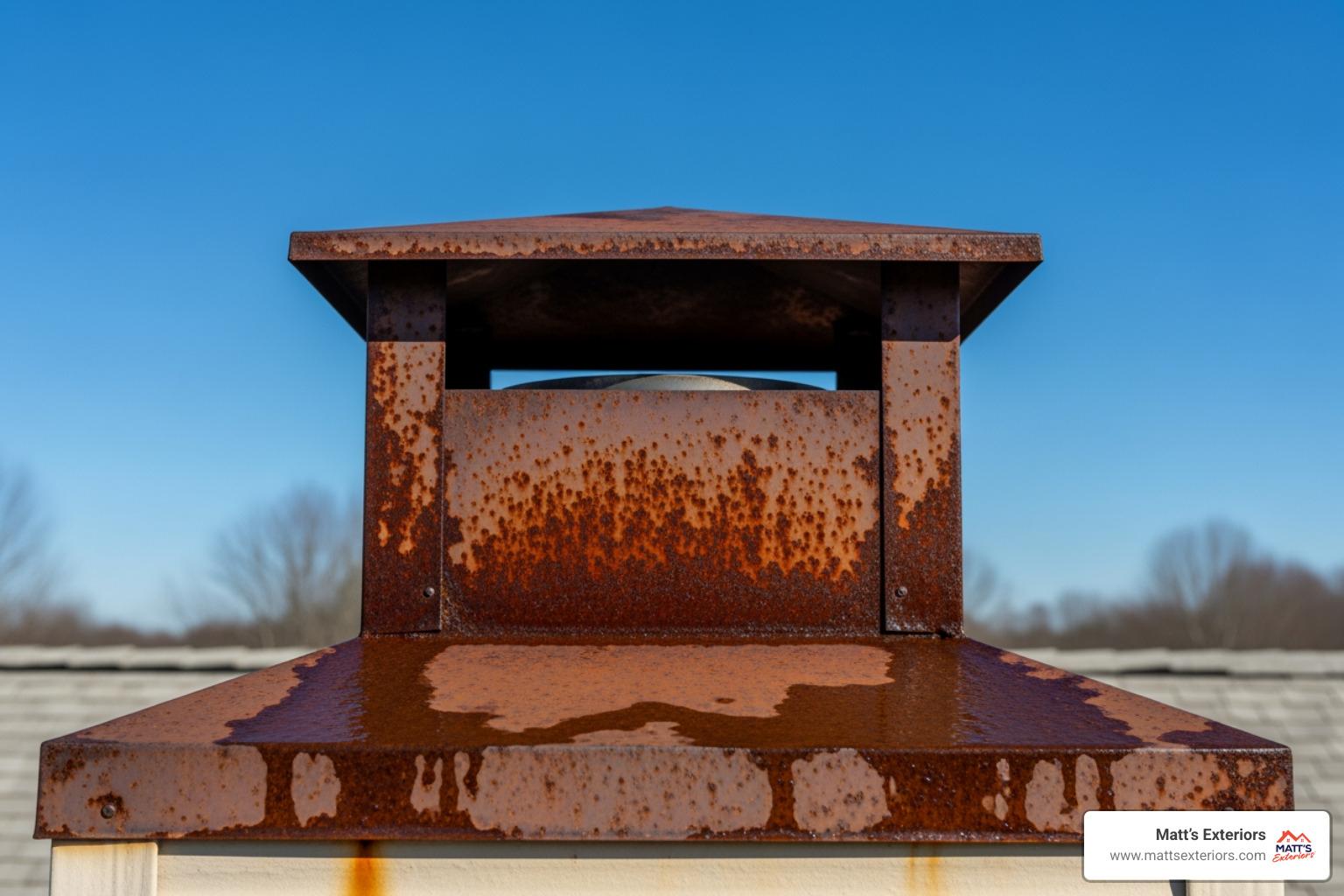
Chimney chase cover repair is essential maintenance for factory-built fireplaces that can prevent thousands of dollars in water damage to your Metro Atlanta home. If you notice rust stains, water pooling on top of your chimney, or leaks inside your firebox, your chase cover needs attention now.
Quick Answer: When to Repair vs. Replace
If you've noticed unsightly rust streaks running down your chimney's siding or discovered water spots in your attic, your chimney chase cover is sending a distress signal. This metal "lid" sits on top of the wooden chase structure that surrounds your factory-built chimney, protecting it from rain, snow, and debris.
Unlike masonry chimneys with concrete crowns, factory-built chimneys rely entirely on their metal chase covers to keep water out. When these covers fail—and cheaper galvanized steel versions typically start rusting within 10 years—water infiltrates the chase structure from the top down.
The consequences of ignoring a failing chase cover extend far beyond cosmetic rust stains. Water intrusion leads to wood rot, mold growth, deteriorated sheetrock, and even compromised fireboxes that can leak dangerous carbon monoxide into your home. According to industry data, chimney fires cause over $100 million in property damage annually, and many of these disasters start with water damage that could have been prevented.
This guide walks you through everything you need to know about chimney chase cover maintenance, from identifying damage early to deciding between DIY repairs and professional replacement.
In our years of serving homeowners from Alpharetta to Peachtree City, we’ve seen that chimney problems rarely stay small. A tiny leak today is a structural nightmare tomorrow. Identifying the need for chimney chase cover repair starts with a visual inspection from the ground and, if safe, from the roof.
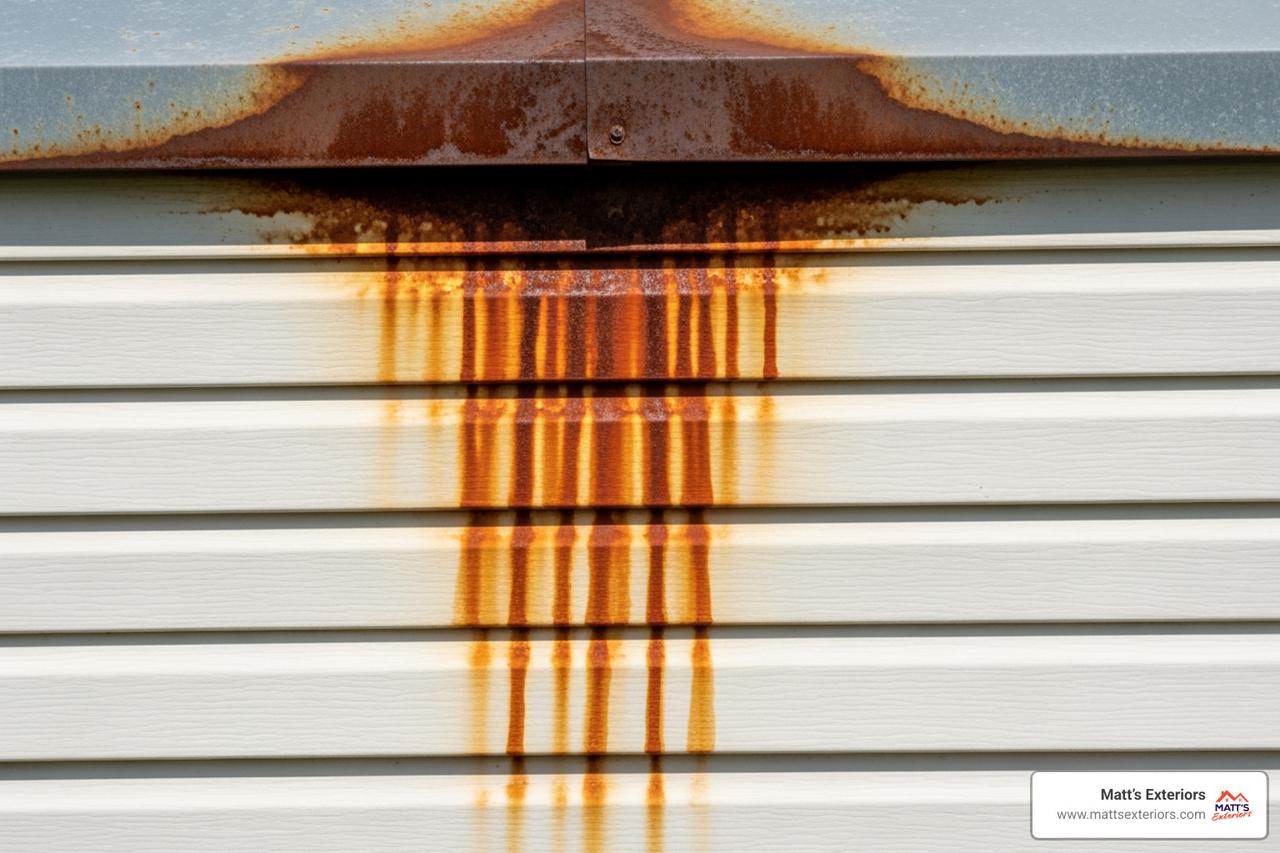
The most common "cry for help" from your chimney is the appearance of rust stains. These reddish-brown streaks usually start at the top of the chimney chase and run down the siding (whether it's vinyl, wood, or fiber cement). This happens because the sacrificial zinc coating on a galvanized steel cover has worn away, allowing the raw steel to oxidize. When it rains, that rust washes down your chimney, leaving permanent stains.
If you open your fireplace damper and see water on the floor of the firebox or hear "plinking" sounds during a storm, you have a leak. While this could be a faulty chimney cap, it is often a sign that the sealant around the chase cover’s storm collar has failed or that the cover itself has rusted through.
A high-quality chase cover should have a "cross break"—a slight diagonal crease that creates a pyramid shape to shed water. If your cover was installed flat (as many builder-grade covers are), water will pool in the center. Over time, the weight of this water causes the metal to sag, accelerating the rusting process and eventually leading to a collapse or large-scale leaks.
If you can access your attic near the chimney, look for damp insulation or dark spots on the wooden framing. Because a chimney chase is essentially a hollow wooden box, water entering from a failed cover gets trapped inside. This creates a "terrarium" effect, leading to rapid mold growth and wood rot. In extreme cases, we've even seen termites attracted to the water-logged framing inside the chase.
When it comes to chimney chase cover repair, the material you choose determines whether you’re fixing the problem for five years or fifty. Most homes in the Metro Atlanta area were originally built with galvanized steel covers because they are inexpensive for builders. However, we almost always recommend upgrading during a repair.
Material Lifespan Corrosion Resistance Maintenance Level Galvanized Steel 5-10 Years Low (Sacrificial coating) High (Needs frequent painting/sealing) Aluminum 15-20 Years Medium Medium (Soft metal, prone to dents) Stainless Steel 20-50+ Years High Low (Rust-proof) Copper 50-100 Years Extremely High Low (Develops protective patina)
Stainless steel is the industry gold standard for a reason. It does not rust, it handles the intense Georgia heat without warping, and it typically comes with a lifetime warranty. While the upfront cost is higher than Galvanization, the long-term ROI is undeniable. You won't have to worry about rust stains on your siding or paying for another replacement in a decade.
Regardless of the material, a proper replacement must include:
If your inspection reveals that the structural integrity of the metal is compromised (holes, deep pitting, or severe sagging), a full replacement is necessary. While chimney chase cover repair for minor rust can sometimes be done with a wire brush and cold galvanizing spray, these are often just temporary fixes.
Precision is everything. A cover that is too large will rattle in the wind; one that is too small won't seal correctly.
For visual learners, checking out YouTube videos on chimney measurements can be incredibly helpful before you place your order.
Working on a roof is inherently dangerous. In Metro Atlanta, sudden afternoon thunderstorms can make a roof slick in seconds.
The cost of chimney chase cover repair varies based on the size of your chimney and the material used. A DIY replacement with a stainless steel cover might cost between $300 and $600 for the part itself. Professional installation typically ranges from $750 to $1,500.
If you think $1,000 for a new cover is steep, consider the alternative. We have seen cases where a $200 galvanized cover failed, leading to $10,000 in structural repairs. When water rots the internal framing, the entire chimney chase may need to be rebuilt. Furthermore, a rusted-out firebox is a significant fire hazard. If the internal metal components of your fireplace corrode, they can no longer safely contain heat or sparks.
While some "handymen" offer chimney services, Why Choose a Local Roofing Company like Matt's Exteriors? We understand the specific weather patterns of Georgia—from the humidity that accelerates rust to the heavy rains that test every seal. We also offer Financing options to make sure your home stays protected without breaking the bank.
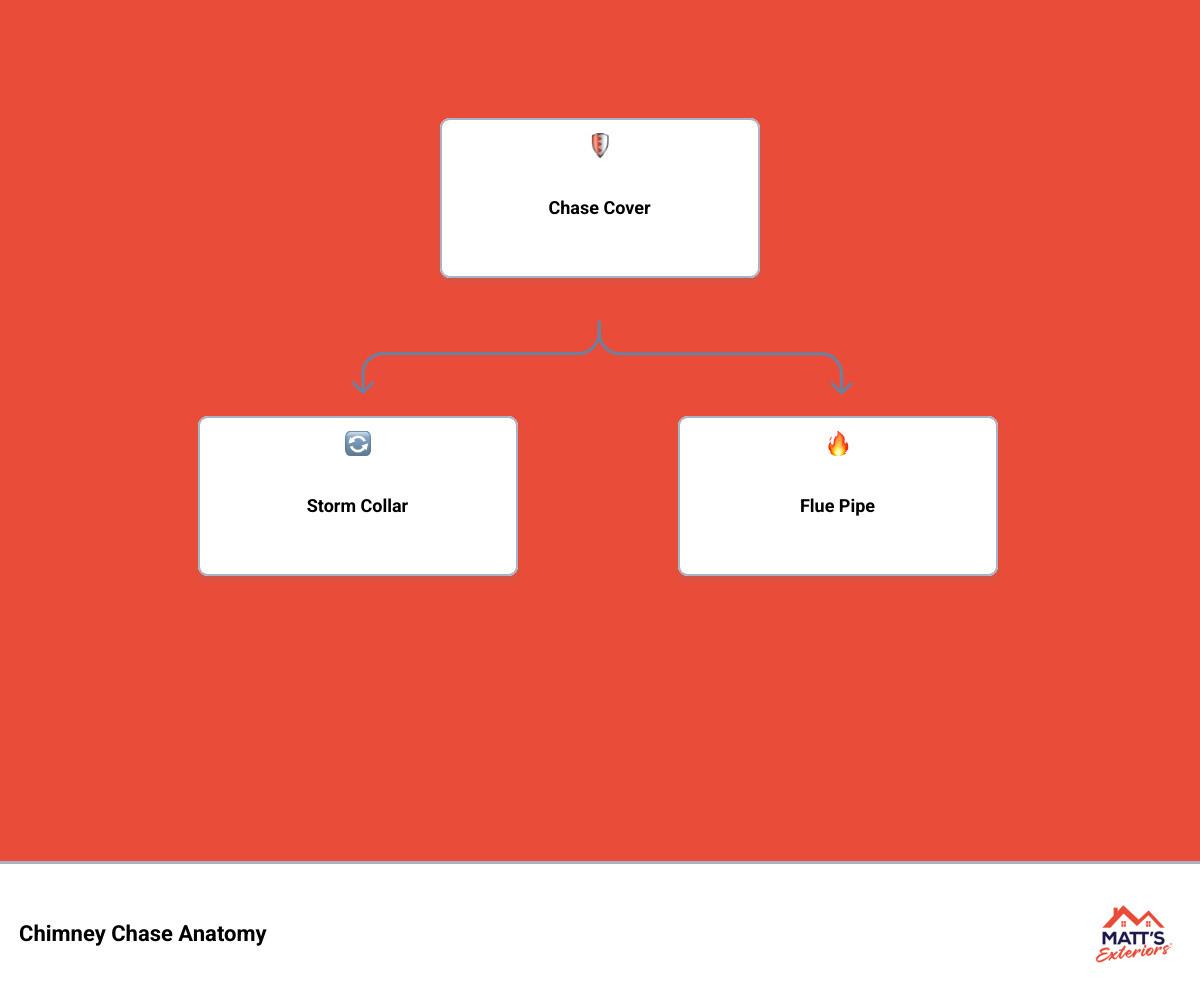
Think of the chase cover as the "roof" of your chimney structure; it covers the entire top opening of the wooden or siding-covered chase. The chimney cap is the smaller "hat" that sits directly on top of the flue pipe to keep out rain and animals. You need both for total protection.
If you have an active leak during a storm, you can use a heavy-duty tarp weighted down with bricks as a temporary shield. You can also apply "roofing tape" or a temporary patch of silicone over visible holes. However, these will only last a few weeks and should not be considered a permanent chimney chase cover repair.
While you can paint galvanized steel (using a rust-inhibiting primer), we do not recommend painting stainless steel or copper. These materials are chosen for their natural durability and aesthetic. Paint on these surfaces often peels quickly due to the heat expansion of the metal.
Your chimney is one of the most vulnerable points on your roof. At Matt’s Exteriors, we’ve spent over 15 years protecting families across Metro Atlanta—from Marietta to McDonough—with high-quality Our Services. With over 12,000 projects completed since 2007, our family-owned team knows exactly what it takes to ensure your chimney remains leak-free for decades.
Don't wait for the next heavy Georgia downpour to find out your chase cover has failed. Whether you need a simple Roof Replacement or a custom stainless steel chase cover, we are here to help. Check out Our Gallery to see our workmanship in action, or read our Testimonials from your neighbors in Cumming, Duluth, and beyond.
Ready to secure your home? Contact Us today for a professional inspection or Schedule your chimney chase cover repair today and enjoy the peace of mind that comes with a job done right.