
Get Your Instant Quote Now!
Get Started
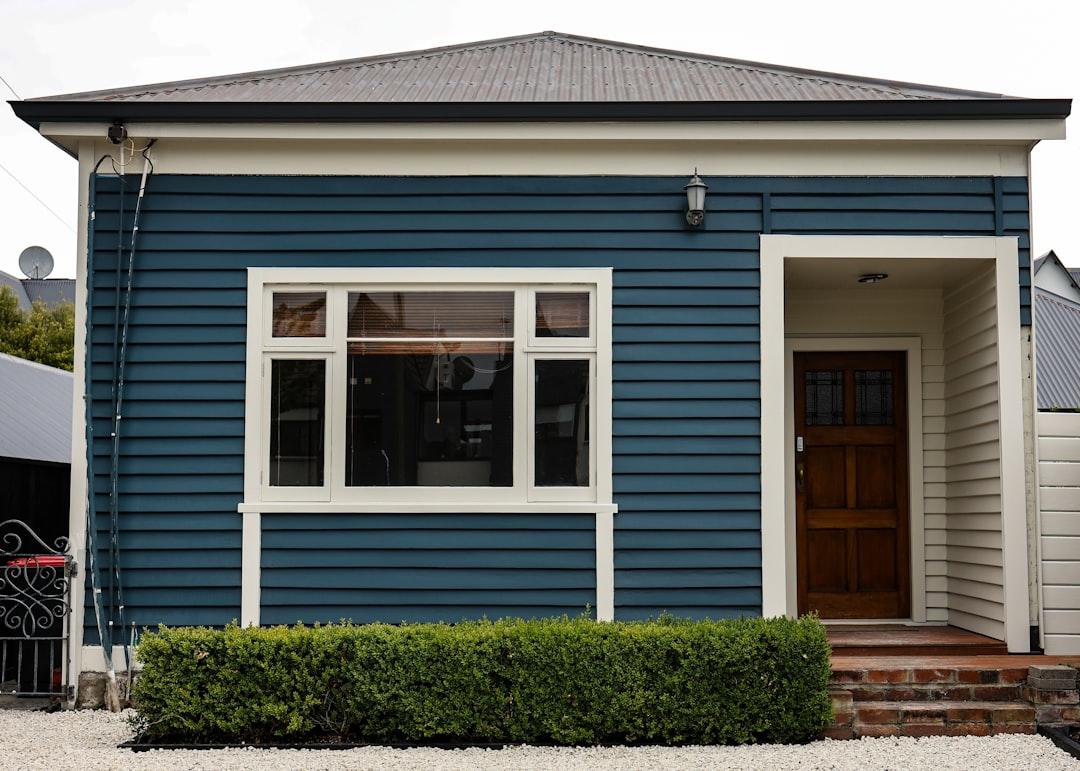
What paint finish for exterior trim works best? Here's the short answer:
Finish Best For Sheen Level Satin Most exterior trim - best all-around choice Medium Semi-Gloss High-traffic trim, windows, doors Medium-High High-Gloss Front doors, decorative accents High
Most homeowners and professional painters agree: satin or semi-gloss are the top picks for exterior trim. They're durable, easy to clean, and create just enough contrast against the siding to make your home's architectural details pop.
Flat and matte finishes belong on your siding - not your trim.
It sounds simple. But the right choice actually depends on a few things: your trim material, your local climate, and how much maintenance you want to deal with down the road.
Here in Metro Atlanta, where humidity is high and temperatures swing hard, the wrong finish can mean peeling, warping, and repainting far sooner than you'd like.
This guide walks you through everything you need to know - so you can make a confident choice and get a finish that lasts.
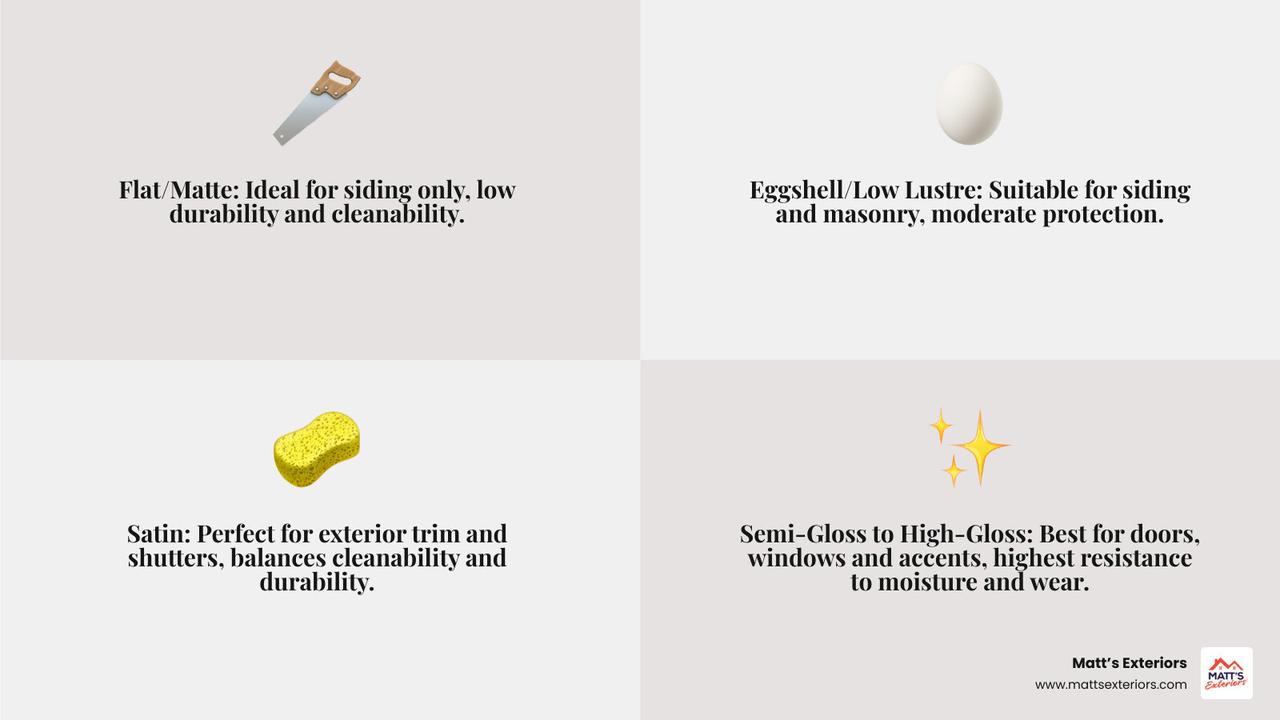
When we talk about "sheen," we are talking about how much light reflects off the dried paint surface. But for exterior surfaces, sheen is about more than just a pretty glow; it’s a matter of chemistry. Higher-sheen paints contain a higher concentration of resins and binders. These ingredients create a harder, slicker film that acts as a shield against the elements.
For most homes in the Atlanta area—from Marietta down to Peachtree City—the goal is to find a "workhorse" finish. You want something that highlights the "eyebrows" of your home (your trim!) without showing every single brushstroke or wood knot.
Feature Satin Semi-Gloss High-Gloss Durability High Very High Exceptional Ease of Cleaning Good Excellent Best Hides Imperfections Excellent Moderate Poor Visual Contrast Subtle/Classic Noticeable/Crisp Dramatic/Bold
According to industry standards, Everything You Need to Know About Exterior Trim Paint involves understanding that trim paint is formulated differently than wall paint. It is designed to be tougher because trim is often the first line of defense against moisture entering your wall cavities.
Not all trim is created equal. The material your home is built with dictates how the paint will behave over time.
In the humid subtropical climate of Metro Atlanta—including high-moisture areas like Alpharetta and Cumming—maintenance is a major factor.
A higher sheen level directly impacts cleanability. Flat paint is porous; it traps dirt and holds onto mildew spores. Satin and semi-gloss finishes are much smoother, allowing water to bead up and roll off, taking dust and pollen with it. This "dirt shedding" ability is why we rarely recommend flat finishes for trim.
Furthermore, Exterior paint finishes for different surfaces - brick&batten notes that higher sheen levels can actually make colors appear more saturated and "true." If you’ve picked a deep charcoal or a crisp white, a bit of gloss will help that color stay vibrant against the Georgia sun.
If you ask ten painters in Woodstock or Kennesaw which is better, you’ll likely get a 50/50 split.
Satin (or Low Lustre) is currently the most popular choice. It offers a modern, understated elegance. It’s the "Goldilocks" of finishes—shiny enough to be durable and easy to clean, but matte enough to hide minor dings, scratches, or rough wood grain.
Semi-Gloss (or Soft Gloss) is the traditionalist’s choice. It provides a sharper contrast against a flat-painted house body. If your trim is brand new and perfectly smooth, semi-gloss looks incredibly professional and "high-end." It’s also the most durable option for window sills and door frames that get touched or bumped frequently.
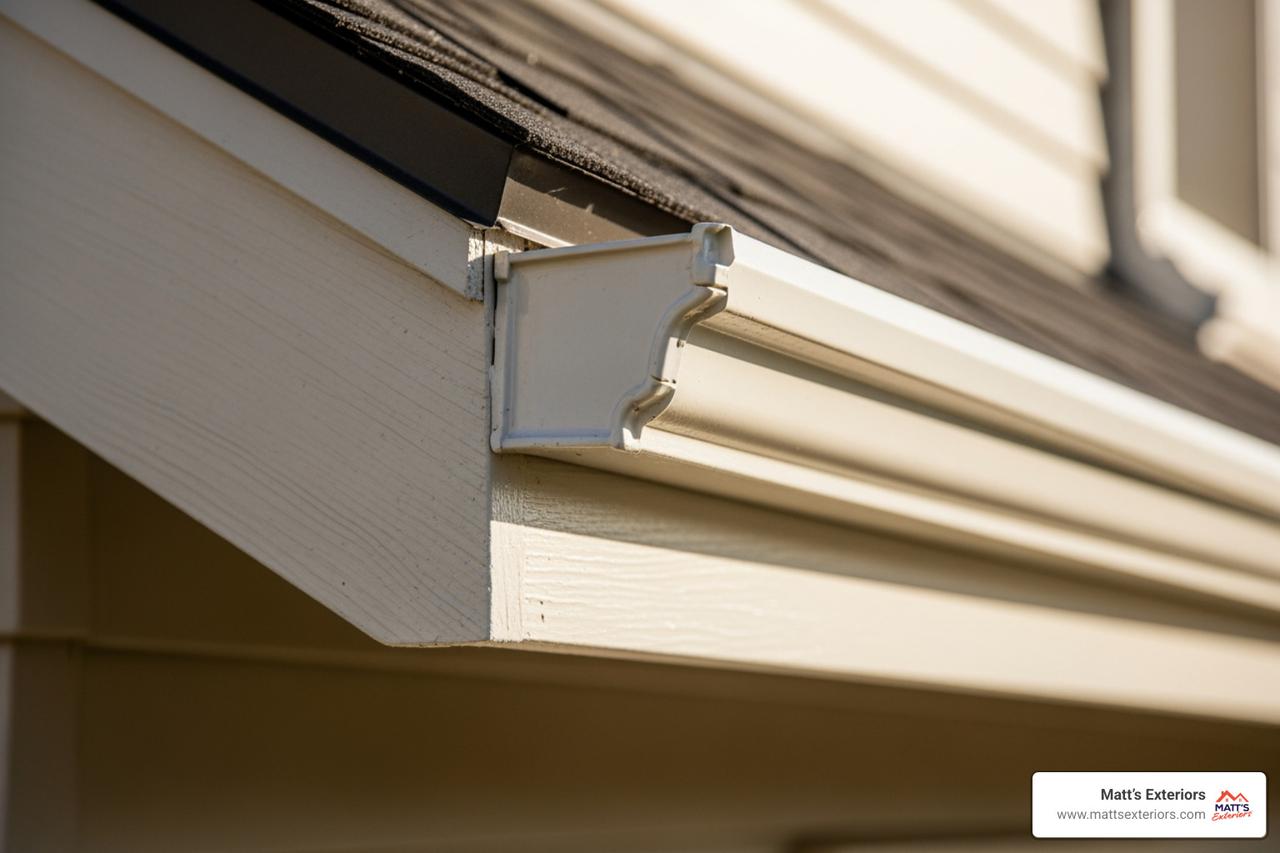
Choosing what paint finish for exterior trim isn't just about aesthetics; it’s about surviving the local environment.
In Georgia, the sun is a powerful force. This is where Light Reflectance Value (LRV) comes in. LRV measures how much light (and heat) a color reflects. A "True White" has an LRV of 100, while "Black" is 0.
If you are painting PVC trim in a sunny spot like Fayetteville or Newnan, you generally want to keep your LRV above 55. Dark colors with low LRV absorb massive amounts of heat, which can cause the trim to warp, buckle, or "oil can." If you absolutely must have dark trim, we recommend using paints with solar-reflective pigments specifically designed to stay cool in the sun. You can learn more about our color-matching and durability standards on our Exterior Paint page.
A good rule of thumb is to go at least two steps glossier on your trim than you do on your siding.
This "stair-step" approach to sheen creates visual depth. It makes the trim look like a frame for the rest of the house. For modern, monochromatic styles (where the trim and siding are the same color), using different sheens is the only way to create the necessary definition so your home doesn't look like a giant, flat box.
At Matt’s Exteriors, we’ve completed over 12,000 projects since 2007, and if there’s one thing we’ve learned, it’s that the finish is only as good as the prep work. If you’re ready to get started, Contact us for a professional assessment.
Generally, yes. Having a higher sheen on the trim provides a necessary visual break and makes the house look "finished." It also ensures that the areas most prone to dirt (like window sills) are the easiest to wipe down.
In the Metro Atlanta area, you can expect a high-quality trim job to last 5 to 10 years. Factors like direct sun exposure (South-facing walls) and the quality of the paint used will dictate whether you’re on the shorter or longer end of that spectrum.
You can, but the front door is often the "jewel" of the home. Many homeowners opt to go one step higher in sheen for the door (High-Gloss) to make it stand out as a focal point, even if the trim remains Satin.
Choosing what paint finish for exterior trim is a balance between the look you want and the durability your home needs. Whether you are in Smyrna, Roswell, or McDonough, your home deserves a finish that can stand up to the Georgia heat while looking spectacular from the curb.
At Matt’s Exteriors, we bring family-owned values and a track record of 12,000+ successful projects to every job. We understand the specific needs of Metro Atlanta homes—from the right LRV for your PVC trim to the best mildew-resistant finishes for your wood siding.
Ready to give your home the professional finish it deserves? Schedule your professional consultation for Exterior Paint with us today!