
Get Your Instant Quote Now!
Get Started
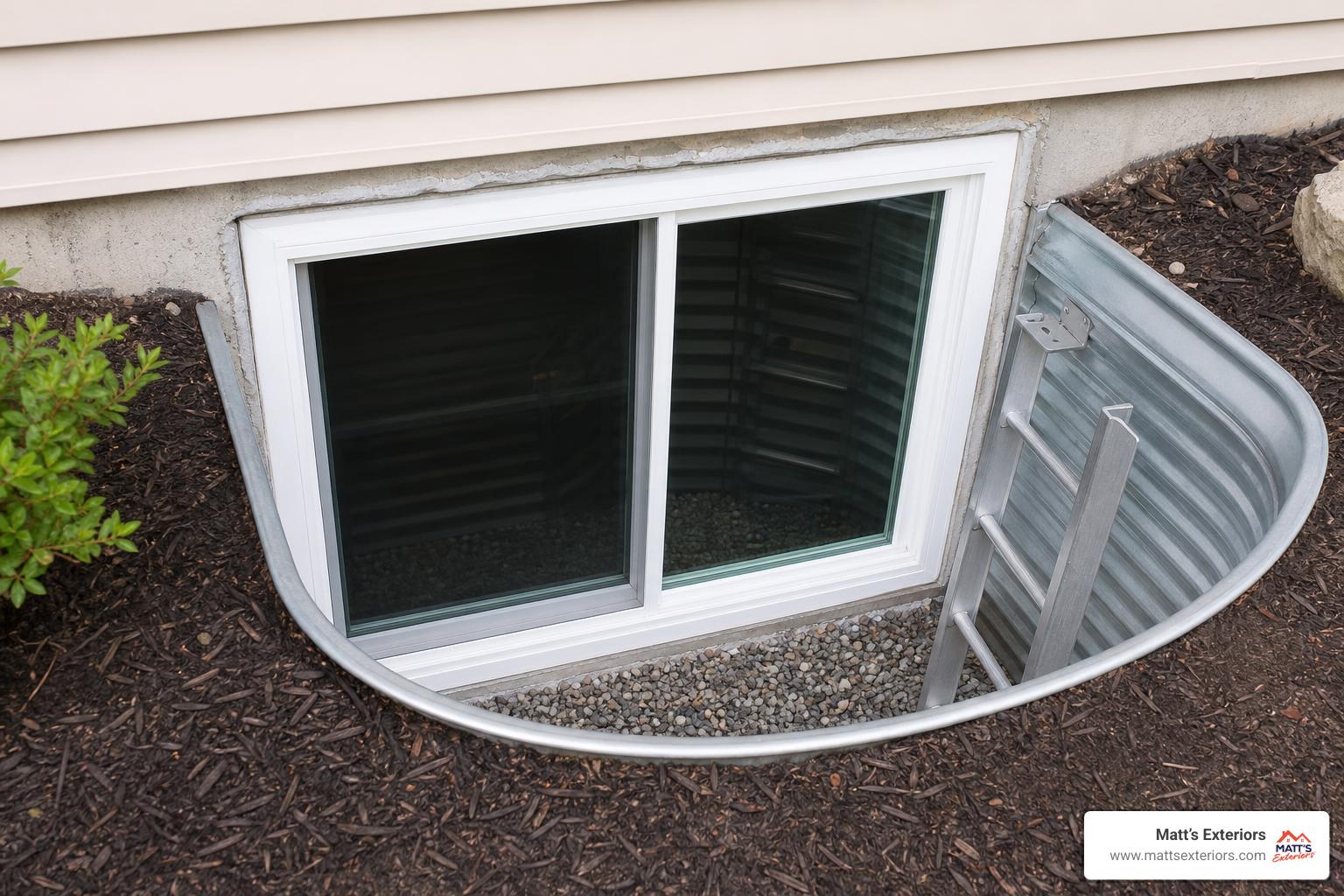
If you're looking for egress window installation near me, here's what you need to know right away:
Question Quick Answer What is it? A large, code-compliant window that serves as an emergency exit in a basement Is it required? Yes — for any basement used as a bedroom or living space Average cost? $2,500–$5,300, with a national average around $3,900 How long does it take? 1 to 3 days including excavation and inspection Do I need a permit? Yes — permits are required in most jurisdictions Does it add home value? Yes — roughly a 70% return on investment
A basement bedroom without an egress window isn't just a code violation — it's a genuine safety risk. In a fire or emergency, that window is the only way out. It's also how firefighters get in. Most older basements were built before these requirements existed, which means millions of homes today have sleeping spaces that wouldn't pass a modern inspection.
Beyond safety, adding an egress window transforms a dark, stuffy basement into a bright, livable room — one that can legally count toward your home's finished square footage.
I'm Matt Lopez, founder of Matt's Exteriors, and with nearly two decades of exterior renovation experience serving Metro Atlanta homeowners, I've seen how proper egress window installation near me can protect both families and property values. Let's walk through exactly how to get it done right.
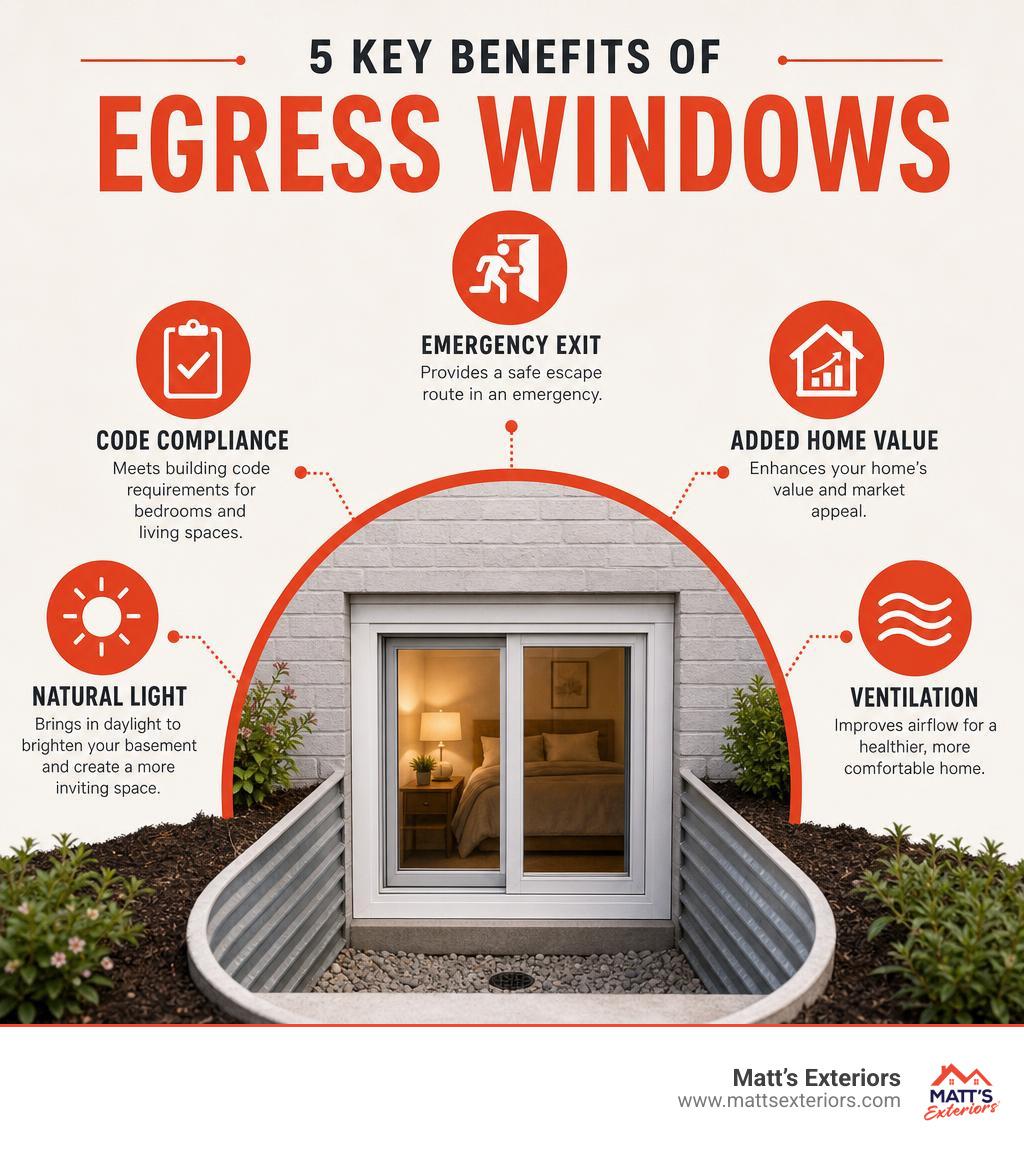
An egress window is a window designed for emergency escape and rescue. In plain English, it is a basement window large enough for someone to climb out of and for emergency responders to climb into.
That second part matters. Building codes are not just thinking about a homeowner escaping during a fire. They are also thinking about a firefighter wearing gear and an oxygen tank who may need to enter the basement quickly.
For Metro Atlanta homeowners, egress windows are especially important when finishing a basement, adding a bedroom, creating an in-law suite, or converting unused space into a rental-style living area. If a basement room is used for sleeping, it generally needs a code-compliant emergency escape opening.
A legal egress window helps with:
If you are planning a larger basement remodel, an egress window should be handled early in the design process. It affects framing, drywall, exterior grading, drainage, permits, and sometimes the layout of the room itself.
It is similar to other major exterior changes: the safest results come from planning first and cutting later. If you are considering other openings or layout changes, our guide on adding windows to a house explains how new window placement affects structure, performance, and curb appeal.
The big takeaway: an egress window is not just “a bigger basement window.” It is a safety system, a code requirement, and a long-term home improvement all in one.
Egress window codes are based largely on the International Residential Code, often called the IRC, but cities and counties can adopt amendments or add local requirements. That means a project in Atlanta may not be handled exactly the same way as one in Alpharetta, Marietta, Duluth, Peachtree City, Newnan, or Woodstock.
As of May 2026, Metro Atlanta homeowners should expect local building departments to look closely at:
Permits are usually required because egress installation often involves cutting into a foundation wall, changing a structural opening, excavating outside the home, and installing a window well. That is not exactly the same as swapping out a standard window sash on a Saturday afternoon. This is more of a “measure twelve times, cut once” situation.
A professional installer should help determine which permits are needed, prepare the project details, and coordinate inspections when required. Homeowners should never assume that a basement bedroom is legal just because it has a window already. Many older basement windows are too small, too high, or blocked by wells that do not meet modern standards.
When homeowners search for egress window installation near me, one of the most common questions is: “What size does the window have to be?”
While your local building department has the final say, common IRC-based egress requirements include:
Requirement Common Code Standard Minimum net clear opening 5.7 square feet Minimum net clear opening at grade floor 5.0 square feet in some cases Minimum clear opening height 24 inches Minimum clear opening width 20 inches Maximum sill height 44 inches above the finished floor Operation Must open from the inside without keys, tools, or special knowledge
The phrase “net clear opening” is important. It does not mean the overall window frame size. It means the actual open space available when the window is fully opened. A window can look large and still fail egress requirements if the sash does not open wide enough.
That is why casement windows are so popular for basement egress projects. They swing open like a door and often provide more usable escape space than sliding or double-hung windows of similar overall size.
For Metro Atlanta homes, local permit offices may also look at site conditions such as soil, slope, drainage, foundation type, and whether the work affects any structural loads. Homes in areas like Sandy Springs, Roswell, Johns Creek, Cumming, Kennesaw, Smyrna, or Fayetteville can have very different grading conditions, so one-size-fits-all advice only goes so far.
Before work begins, we recommend confirming:
The goal is not just to pass inspection. The goal is to create a safe, dry, easy-to-use escape route that holds up over time.
If the egress window is below grade, you will almost always need a window well. The window well creates open space outside the window so a person can climb out and away from the home.
Common window well requirements include:
Window wells come in several materials, including galvanized steel, composite, concrete, block, stone, and timber-style systems. In Metro Atlanta, drainage is a major priority because heavy rain can overwhelm a poorly designed well. A good egress system should include a gravel base, proper drain connection when applicable, sealed edges, and grading that sends water away from the house.
Well covers are also worth discussing. They help keep out leaves, pine straw, animals, and the occasional mystery object that somehow appears after a storm. But they must not trap someone inside. A safe cover should be strong enough to protect the well but light or hinged enough to open during an emergency.
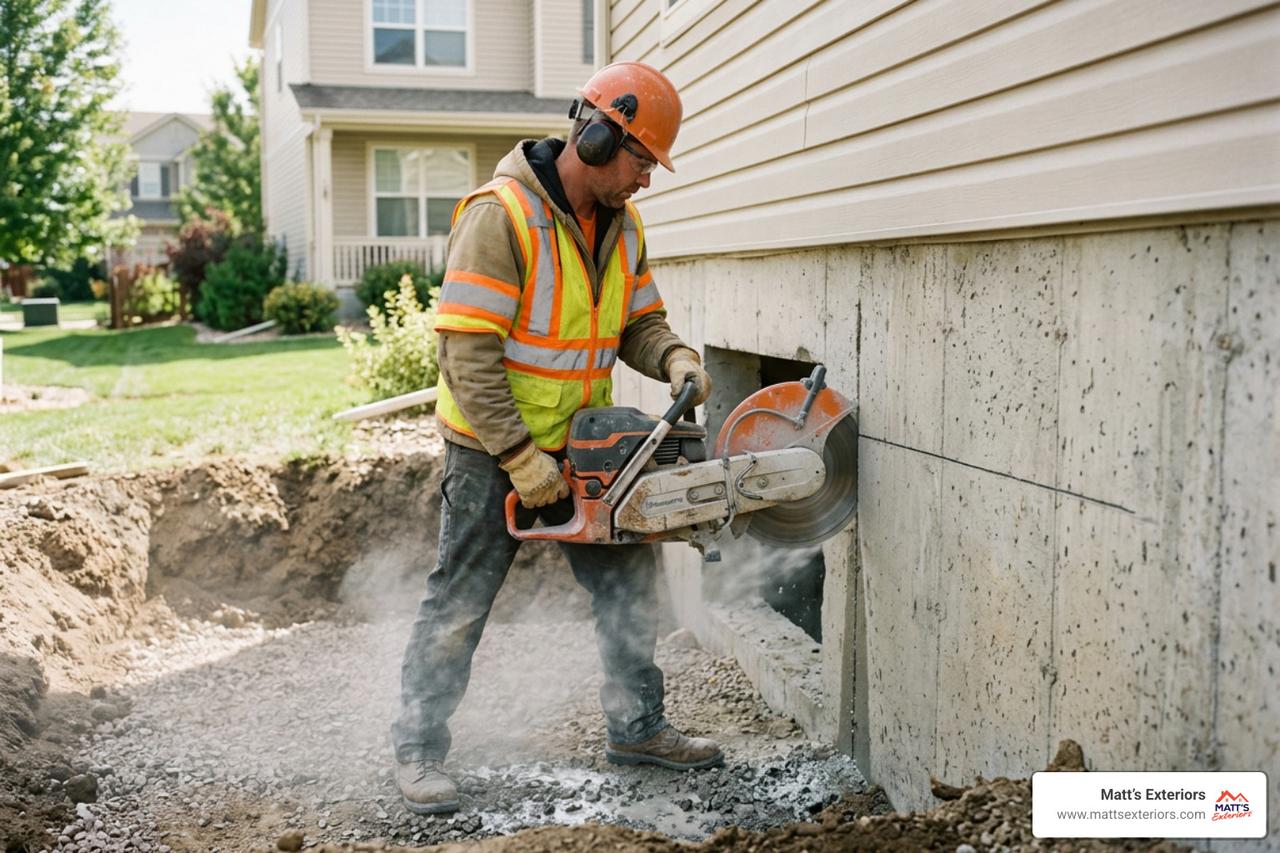
Professional egress window installation is a careful process. It involves excavation, concrete cutting, structural preparation, waterproofing, window installation, and inspection. Done right, it looks simple when finished. Done wrong, it can create water damage, foundation problems, or a window that fails inspection.
Here is the typical process.
The installer checks the inside and outside of the basement wall. This includes measuring the room, checking the floor height, reviewing exterior grade, identifying utilities, and choosing the best location for the window.
Before cutting begins, the project should be checked against local requirements. Permit needs vary by jurisdiction, but egress projects typically require approval because they involve structural and life-safety work.
The area outside the basement wall is dug out to create space for the window well. Depending on access, this may be done by hand or with compact equipment. Care is needed around landscaping, utilities, patios, walkways, and drainage lines.
The foundation wall is marked and cut to the correct size. This is one of the most important parts of the project. Concrete cutting creates dust, vibration, and debris, so proper protection and control matter.
Depending on the wall and opening size, the installer may need to add a header or proper framing around the opening. This helps transfer loads safely and gives the new window a secure, square opening.
The egress window is set, leveled, fastened, insulated, and sealed. Proper flashing and waterproofing are critical because the window is close to grade and exposed to heavy rain.
The well is attached securely to the foundation. The installer adds gravel, drainage components, ladder or steps if required, and a cover if selected.
Soil is replaced and graded away from the home. This step is easy to overlook, but it is one of the biggest factors in long-term water protection.
Depending on the project scope, interior trim, drywall repair, or finishing may be completed after inspection. If the basement is being remodeled, the window should be coordinated with framing and finish work.
The local inspector may verify the opening size, sill height, well dimensions, ladder access, and general safety. A professional installer should also test the window operation, check seals, and review maintenance with the homeowner.
Most egress window installations take 1 to 3 days. The timeline depends on excavation difficulty, foundation thickness, weather, permit scheduling, and whether interior finishing is included.
A typical schedule looks like this:
Phase Typical Timing Planning and permitting Varies by municipality Excavation Several hours to 1 day Concrete cutting and opening prep Same day in many projects Window and well installation Same day or next day Inspection Depends on local schedule Interior finish work Optional; may add time
Some straightforward installations can be completed in a day. More complex jobs may take up to three days, especially if there are drainage challenges, thick concrete walls, difficult access, or inspection timing delays.
Weather can also play a role in Metro Atlanta. Heavy rain is not your friend when there is an open excavation next to a foundation wall. A responsible installer will plan around storms instead of rushing through conditions that could compromise waterproofing.
The best egress window is the one that meets code, fits your basement layout, performs well in Georgia weather, and is easy to operate in an emergency.
For most basement egress projects, homeowners compare casement, sliding, and in-swing windows.
Window Type Best For Pros Considerations Casement Most basement egress openings Wide clear opening, easy operation, energy-efficient seal Needs exterior clearance to swing open Sliding Wider wall openings Simple look, familiar operation Often needs a larger frame to meet net clear opening In-swing Tight exterior spaces or deep wells Opens inward, useful when exterior clearance is limited Must not interfere with furniture or room layout
Vinyl frames are common because they are durable, lower maintenance, and energy efficient. Fiberglass and composite options may also be available depending on the product line and project needs.
Glass choice matters too. Research shows double-pane egress windows often cost more than basic single-pane units but provide better insulation and comfort. Triple-pane windows can improve performance further, though they are usually more expensive. In Metro Atlanta, double-pane, energy-efficient glass is often a smart balance of cost, comfort, and performance.
When comparing options, pay attention to:
Basements can already be cooler, damper spaces, so a poorly sealed window can make comfort problems worse. Energy-efficient window choices help reduce drafts, improve insulation, and make the finished room feel more like part of the home instead of “that room downstairs where the treadmill went to retire.”
For more help comparing performance features, see our guide to energy efficient windows. You can also read The Benefits of Energy Efficient Windows: A Guide by Matts Exteriors if you are thinking beyond the basement and looking at whole-home comfort.
The average cost to install an egress window is about $3,900, with many projects ranging from $2,500 to $5,300. In Metro Atlanta, your final cost depends on the home, the wall, the window, and the site conditions.
Common cost factors include:
The window unit itself is only part of the total. Double-pane egress windows may run a few hundred dollars per unit, while triple-pane options are typically higher. But the bigger cost is usually labor: excavation, cutting concrete, hauling debris, waterproofing, drainage, and well installation.
Egress windows can also provide strong value. Industry data commonly estimates around a 70% return on investment, and the value can be even more meaningful when the project allows a basement room to qualify as a legal bedroom. A legal bedroom may improve resale appeal because buyers can use the space more confidently.
That said, value depends on the home and the market. Adding an egress window does not magically turn every basement into luxury living space. The room still needs proper ceiling height, heating and cooling, electrical safety, moisture control, and finish quality. But an egress window is often the safety step that makes the rest of the basement upgrade possible.
If you are already planning broader window work, our guide to replacing windows in house explains when replacement makes sense and what to consider before investing.
When searching for the best egress window installation near me, look for a local company that can show:
At Matt’s Exteriors, we are a family-owned exterior renovation company serving Metro Atlanta communities including Atlanta, Alpharetta, Marietta, Cumming, Duluth, Roswell, Sandy Springs, Peachtree City, Newnan, McDonough, Woodstock, and nearby areas. Since 2007, we have completed more than 12,000 exterior projects, and we bring that same focus on workmanship, trusted materials, and customer care to every window project we take on.
A good installer should not pressure you into the fastest option. They should help you understand code, cost, waterproofing, and long-term performance before anyone touches a saw.
A properly installed egress window should not leak. If water gets in, the cause is usually poor drainage, bad grading, failed seals, clogged window well drains, or an installation that was not waterproofed correctly.
Good water protection includes:
Homeowners should clean leaves and pine straw from the well regularly. In Georgia, that is not a once-a-decade chore. Trees like to participate.
We do not recommend DIY egress window installation for most homeowners. This project often involves cutting into a foundation wall, supporting the opening, excavating soil, managing drainage, and passing inspection.
DIY mistakes can lead to:
Replacing a small window is one thing. Cutting a new legal escape opening into a basement wall is another. For safety, code compliance, and waterproofing, professional installation is the smarter route.
Yes, it can. Egress windows are often estimated to return around 70% of their cost, and they may increase buyer appeal by making basement space safer, brighter, and more usable.
The biggest value boost usually comes when the window helps create a legal bedroom. A basement room without proper egress may not count the way homeowners expect during resale or appraisal. A code-compliant egress window gives future buyers more confidence that the space was improved correctly.
Egress window installation is one of those projects where safety, code compliance, comfort, and home value all meet in one place. It gives your basement a legal emergency exit, brings in natural light, improves ventilation, and can help turn underused space into a real part of your home.
But it has to be done right. The safest egress window projects start with local code review, proper permits, careful excavation, precise concrete cutting, strong waterproofing, and a window system that opens easily when it matters most.
If you are searching for egress window installation near me in Metro Atlanta, we would be glad to help you make a smart, safe plan. At Matt’s Exteriors, we believe in quality craftsmanship, trusted materials, and treating your home with care from the first conversation through the final cleanup.
Learn more about our professional window installation services and let us help you create a safer, brighter, code-compliant basement.