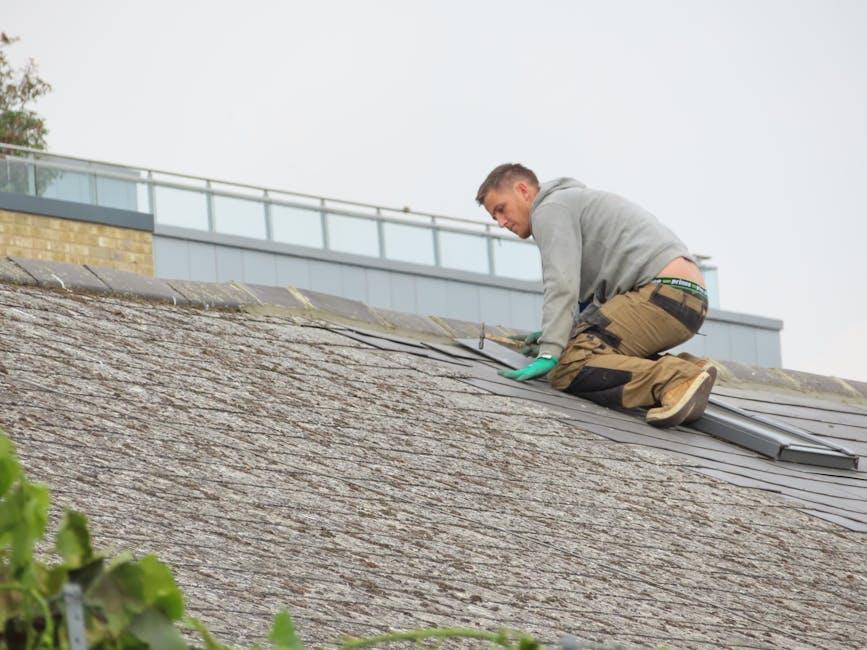
Don't Let Your Shingles Mingle with the Ground
March 24, 2026 at 4:00 PM
pexels-photo-9431615.jpeg

Identifying Common Causes of Asphalt Shingle Roof Damage

Asphalt shingle roof repair is something most Metro Atlanta homeowners will face at least once — and knowing what to do fast can save you thousands in water damage.

Here's a quick overview of how to repair asphalt shingles:

  1. Locate the damage — Check the attic for water stains, then inspect the roof surface for cracked, curled, or missing shingles.
  2. Gather your tools — You'll need a pry bar, hammer, roofing nails, roofing cement, a utility knife, and replacement shingles.
  3. Fix minor damage — Apply roofing sealant under curled shingles and press them flat. For cracks, seal above and below the break.
  4. Replace missing shingles — Lift the surrounding shingles, remove old nails, slide in a new matching shingle, nail it down, and seal the edges.
  5. Address flashing and vents — Reseal or replace flashing around chimneys, valleys, and pipe boots where most leaks originate.
  6. Know when to call a pro — If more than 25–30% of your roof is damaged, or your roof is 20+ years old, repair may not be enough.

Asphalt shingles cover nearly 70% of U.S. homes — and for good reason. They're affordable, durable, and relatively straightforward to repair when caught early. But even a small problem, like a single cracked tab or a popped nail, can let water sneak in and quietly damage your decking, insulation, and ceilings before you ever notice a stain.

The tricky part? Water rarely drips from the same spot it enters. It travels along rafters and decking, sometimes several feet, before showing up inside your home. That's what makes finding — and properly fixing — a shingle leak more nuanced than it looks.

This guide walks you through the entire process: spotting damage early, making the right repairs yourself, and knowing when it's time to bring in a licensed roofer.

I'm Matt Lopez, founder of Matt's Exteriors, a GAF-certified exterior remodeling company serving Metro Atlanta since 2007 with nearly two decades of hands-on experience in asphalt shingle roof repair, leak diagnostics, and storm damage restoration. Whether you're dealing with a single blown-off tab after a Georgia thunderstorm or recurring leaks around a chimney, this guide gives you the practical knowledge to act with confidence.

In Metro Atlanta, our roofs take a beating. From the sweltering July humidity to sudden spring hailstorms, your shingles are on the front lines 24/7. Understanding what-makes-up-your-roof-a-guide-to-the-components-of-a-roof is the first step in diagnosing why it’s failing.
d657438f08204cb1a62819b35b9d82f3.png

The most common culprits for damage include:

  • Wind Uplift: High winds can catch the edges of shingles, breaking the sealant bond and lifting them up. Once the seal is broken, wind-driven rain can get underneath.
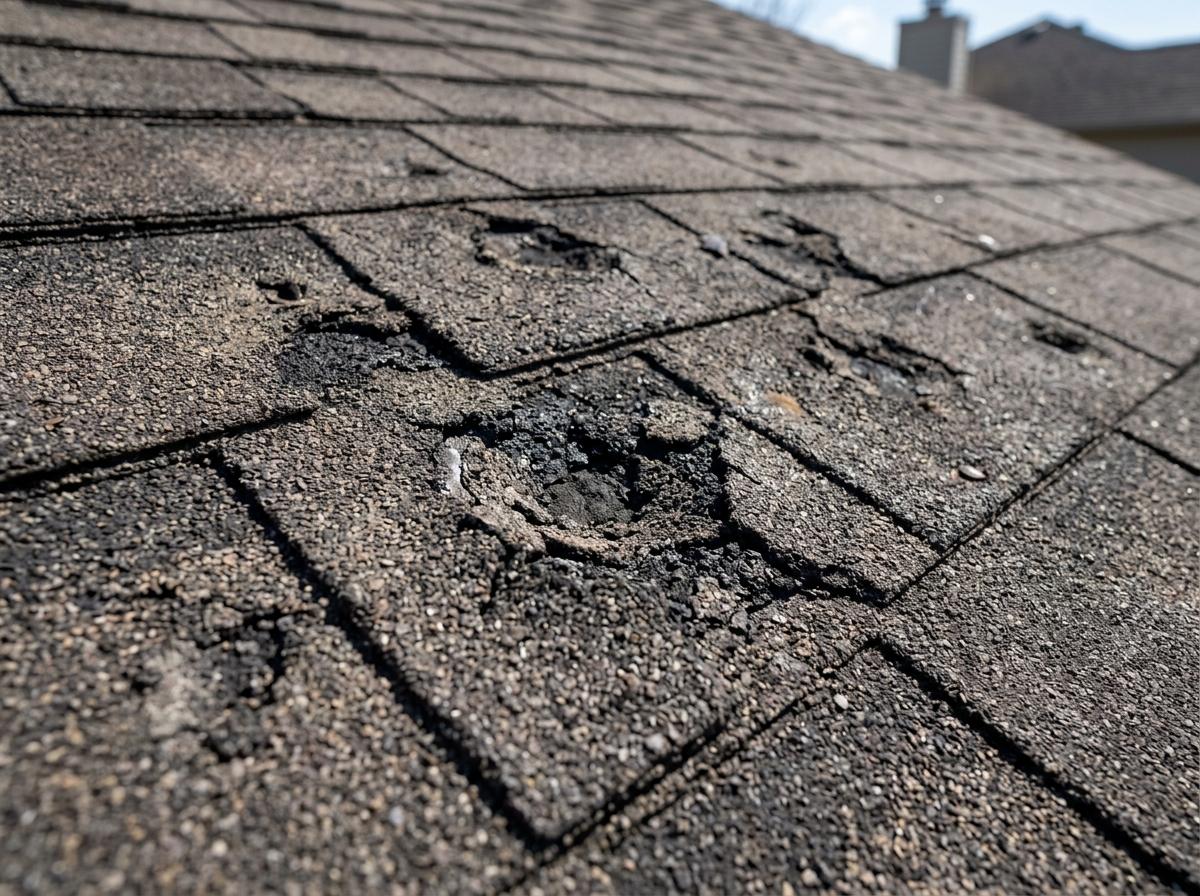
  • UV Degradation and Heat: The Georgia sun is brutal. Over time, UV rays dry out the asphalt oils, making shingles brittle. This leads to cracking and "alligatoring" (a pattern of cracks resembling reptile skin).
  • Granule Loss: Those little pebbles on your shingles aren't just for color; they protect the asphalt from the sun. If you see piles of "sand" in your gutters, your shingles are losing their armor.
  • Poor Attic Ventilation: If your attic can't breathe, heat builds up under the roof deck. This literally "bakes" the shingles from the inside out, causing premature curling and blistering.
  • Thermal Shock: Rapid temperature changes—like a cold downpour on a 100-degree afternoon—cause the roof materials to expand and contract quickly, which can split shingles.
  • Winter Woes: While rare in Atlanta, we do get the occasional freeze. It is vital to prevent ice dams by ensuring proper insulation and drainage so water doesn't back up under the shingles.

Most asphalt roofs are designed to last between 15 and 50 years, but in our climate, we often see signs of aging around the 20-year mark. If your shingles look "bald," thin, or are curling at the corners, they are nearing the end of their lifespan.

How to Safely Inspect and Locate a Roof Leak

Before you start any asphalt shingle roof repair, you have to find the source. Remember: water is sneaky. It might enter near the chimney but travel ten feet down a rafter before dripping onto your bedroom ceiling.

We recommend a three-step inspection process:

  1. The Attic Search: Go into the attic with a bright flashlight. Look for water stains, dark mold growth, or "shiners" (nails that look white or frosted). These are clear indicators of where water is entering. To find where the leak is coming from, look directly "upstream" from the interior drip.
  2. The Binocular Inspection: You don't always need to climb the roof to see damage. Walk around your yard with a pair of binoculars. Look for missing tabs, popped nails, or cracked flashing around vents and chimneys.
  3. The Garden Hose Test: If you're still stumped, have a helper stay in the attic while you gently run a garden hose over the suspected area. Start low on the roof and work your way up slowly. When the helper sees a drip, you’ve found your target.

Safety First: If you do decide to walk on the roof, safety is non-negotiable. Wear specialized roofing shoes with high-grip soles and use a fall arrest system (harness). Never work on a wet, icy, or steeply pitched roof. If the pitch is too high or you feel uneasy, our roof-repair-services are just a phone call away.

Essential Tools and Materials for DIY Repairs

Having the right gear makes the difference between a 30-minute fix and a weekend-long headache. Here is what we keep in our trucks for standard repairs:

Tool/Material Primary Use Flat bar Prying up shingles and pulling old nails without damage. Hammer Driving new 1.25" or 1.5" galvanized nails. Roofing nails Securing shingles; must be galvanized to prevent rust. Roof sealant Sealing cracks and "gluing" down shingle tabs. Utility knife Trimming new shingles to fit perfectly. Caulk gun Precise application of asphalt roofing cement. replacement shingles Matching the existing style (3-tab vs. Architectural).

Pro Tip on Matching: Shingles fade over time. If you can't find a perfect match at the store, try "harvesting" a few shingles from a hidden area of your roof (like behind a chimney) and use the brand-new ones in that hidden spot.

Step-by-Step Guide to Asphalt Shingle Roof Repair

Once you have your materials, it's time to get to work. Most minor repairs fall into three categories: curling, cracking, or missing shingles.

  • Curled Shingles: If the corners are just starting to turn up, you don't necessarily need to replace them. Use a caulk gun to apply a dab of roofing cement under the corner. Press it down firmly and, if possible, weigh it down with a brick for 24 hours to ensure the bond sets.
  • Cracked or Torn Shingles: You can often "bandage" a crack. Apply a thick bead of roof sealant under the crack, press the shingle down, and then apply another bead on top of the crack. Spread it smooth with a putty knife. For a pro look, sprinkle some loose granules (from your gutter) over the wet sealant to camouflage the repair.
  • Temporary Tarping: If a storm is coming and you can't fix it yet, use a heavy-duty tarp. Secure it with 2x4 wood strips nailed over the tarp into the roof—never nail the tarp directly, or it will tear in the wind.

For more detailed visual guides, resources like How To Repair and Replace Roof Shingles for Your Home - This Old House or 4 Tips for Repairing a Leaky Roof offer excellent supplementary perspectives.

Replacing a Damaged Tab for Asphalt Shingle Roof Repair

Replacing a full shingle is a bit like a surgical procedure. Here is how we do it:

  1. Break the Seal: Use your flat bar to gently slide under the shingle above the damaged one to break the adhesive seal.
  2. Remove Nails: Shingles are typically held by four to eight nails. You’ll need to remove the nails from the damaged shingle AND the nails from the shingle directly above it, as those nails often pass through the top of the lower shingle.
  3. Slide it Out: Once the nails are pulled, the old shingle should slide right out.
  4. Install New shingles: Slide the new shingle into the gap. Ensure it aligns perfectly with the shingles on either side.
  5. Nail and Seal: Drive new galvanized nails into the designated nail strip. Finally, apply a few dabs of roofing cement under the tabs of the new shingle and the one above it to "lock" them back down.

Fixing Penetrations and Flashing for Asphalt Shingle Roof Repair

The "field" of the roof (the flat parts) rarely leaks. Most leaks happen at "penetrations"—places where things poke through the roof.

  • Plumbing Vents: The rubber "boot" around your vent pipe is a common failure point. The sun rots the rubber, causing it to crack. If the metal base is still good, you can replace just the boot by sliding a new one over the pipe.
  • Chimney Flashing: Check the metal plates where the chimney meets the roof. If the sealant is cracked, scrape away the old stuff and apply high-quality flashing cement.
  • Valleys: These are the "V" channels where two roof slopes meet. They carry the most water. If you have a leak here, it usually requires lifting several rows of shingles to install a new ice and water shield or metal valley tin.

When to Choose Repair vs. Full Roof Replacement

We often get asked: "Can I just keep patching it?" While we love a good asphalt shingle roof repair, there comes a point where patching is just throwing good money after bad.

Consider a roof-replacement if:

  • The 30% Rule: If more than 25–30% of the roof area is damaged or showing signs of failure, a full replacement is usually more cost-effective.
  • Age: If your roof is over 20 years old and shingles are brittle, a repair in one spot often causes shingles in the surrounding area to crack during the process.
  • Widespread Granule Loss: If your shingles look like "bald" asphalt, they can no longer protect your home.
  • The Slope Matters: Understanding the-minimum-slope-for-asphalt-shingles-explained is vital; if shingles were installed on too flat a surface, they will always leak, no matter how many times you patch them.

For those planning a major project, we recommend checking out a-comprehensive-guide-to-roof-installation to understand the full scope of a professional job.

Frequently Asked Questions about Asphalt Shingle Roof Repair

How much does it cost to repair an asphalt shingle roof?

DIY repairs are very affordable, often costing under $100 for a bundle of shingles and a tube of sealant. However, professional repairs provide peace of mind and warranties. Minor professional repairs typically range from $250 to $600. More complex work, like a chimney flashing rebuild, can cost $1,000 to $2,500+. If you have a different roof type, such as a porch or garage with a low slope, you might need to look into flat-roof-repair costs, which differ from shingles.

Will homeowners insurance cover my shingle repair?

Insurance typically covers "sudden and accidental" damage from "covered perils" like wind, hail, or a fallen tree limb. They generally do not cover damage caused by age, neglect, or lack of maintenance. If a storm hits, document the damage immediately with photos before making any temporary repairs.

Can I match my old shingles to new ones?

It can be tough because of sun fading. Take a sample of your old shingle to a local roofing supply house to get the closest match. If you have a steep roof, the pitch can affect how the color looks from the ground; you can learn more about this in our guide on the best-roof-pitch-for-shingles.

Conclusion

At Matt’s Exteriors, we believe your roof is the most important part of your home’s defense system. Whether you are tackling a small asphalt shingle roof repair yourself or you need a team of professionals to handle a complex leak, the key is to act quickly. Small drips lead to big bills.

Since 2007, we have completed over 12,000 projects across Metro Atlanta—from Alpharetta and Marietta down to Peachtree City and Newnan. We pride ourselves on high-quality workmanship and using the best materials to keep your family dry.

If you’ve spotted a leak or just want a professional eye to check your roof's health, we're here to help. More info about our roofing services is available on our website, or you can give us a call to schedule a comprehensive evaluation. Don't wait for the next Georgia thunderstorm to find out your roof isn't ready!