
Get Your Instant Quote Now!
Get Started
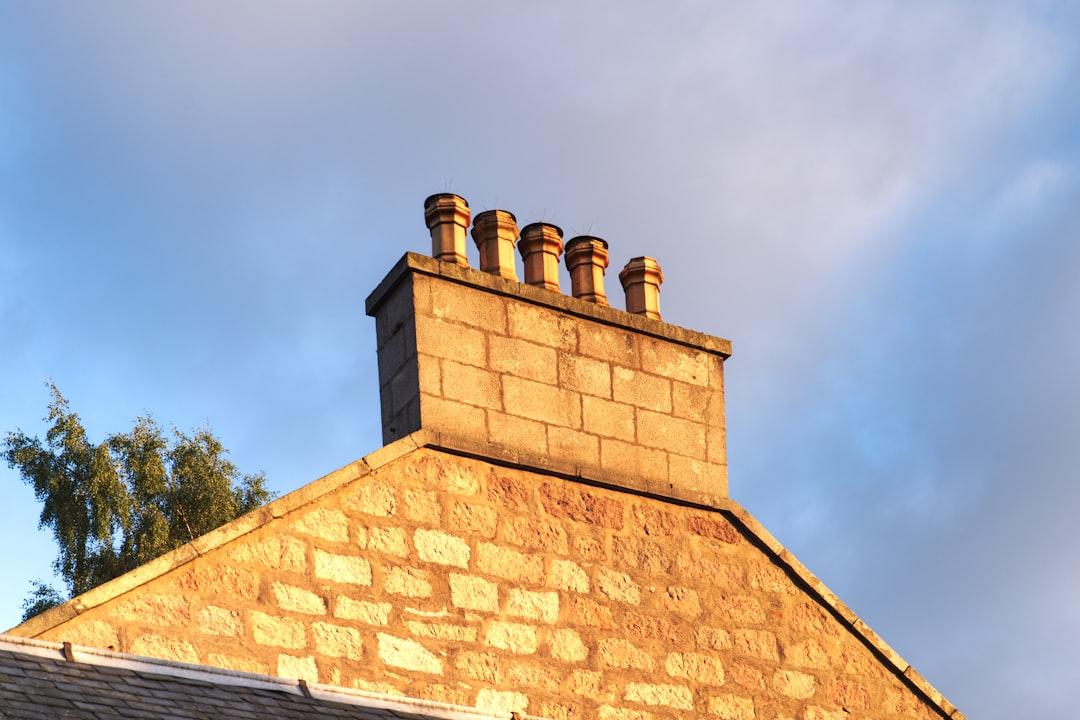
Chimney cap replacement cost is something most homeowners only think about when something goes wrong — water dripping into the fireplace, strange noises in the flue, or a rusty cap spotted during a roof inspection.
Here's the short answer before we dive deeper:
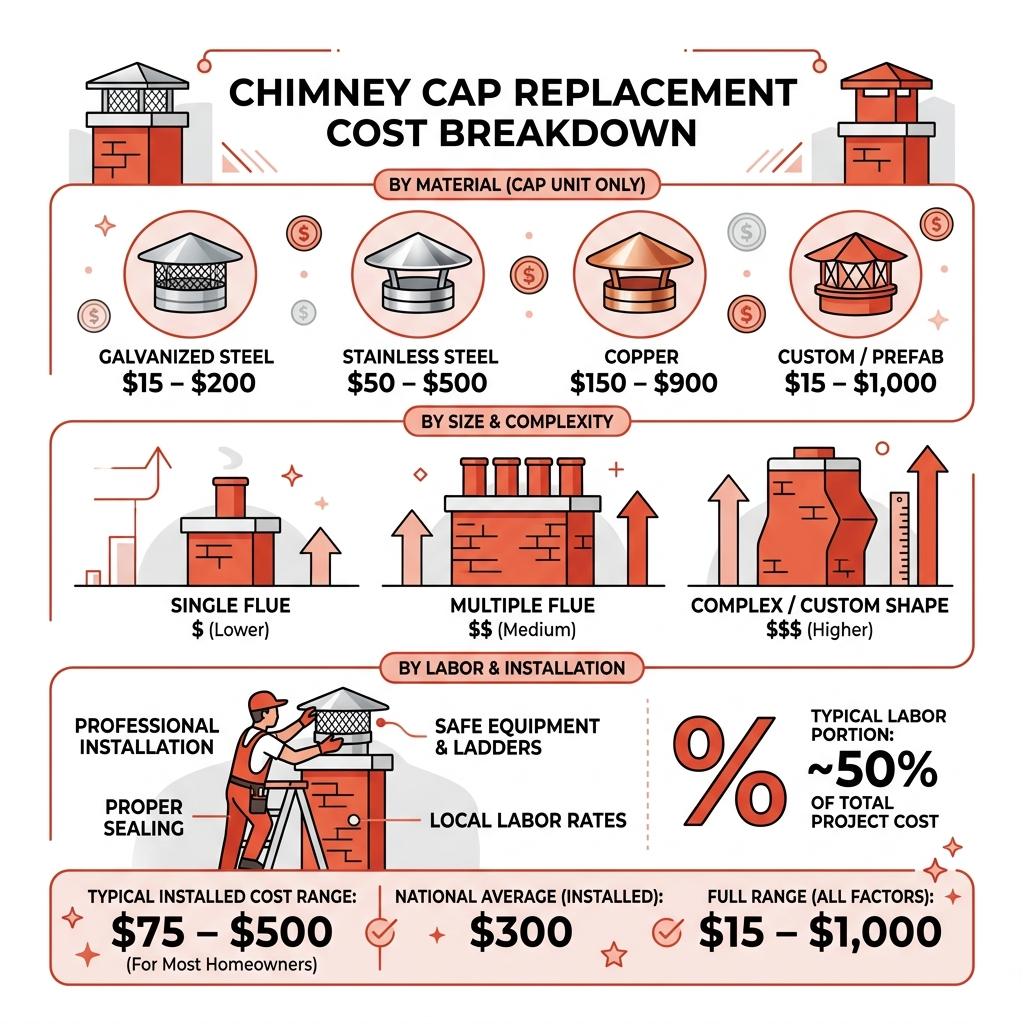
Cost Factor Typical Range Cap unit only (galvanized steel) $15 – $200 Cap unit only (stainless steel) $50 – $500 Cap unit only (copper) $150 – $900 Labor (professional installation) ~50% of total project cost Total installed cost (most homeowners) $75 – $500 National average (installed) $300 Full range (all sizes and materials) $15 – $1,000
A few things drive that wide range: the material you choose, the size and shape of your chimney, whether you need a custom or prefab cap, and local labor rates in your area.
Most Atlanta-area homeowners land somewhere in the $150 to $500 range for a standard single-flue replacement, parts and labor included. If your chimney has multiple flues or needs prep work like crown repair or a flue cleaning first, budget toward the higher end.
I'm Matt Lopez, founder of Matt's Exteriors — a Metro Atlanta exterior remodeling company with nearly two decades of experience helping homeowners protect their homes from the outside in, including chimney cap replacement cost evaluations and installations. In this guide, I'll walk you through everything you need to know to make a smart, informed decision.
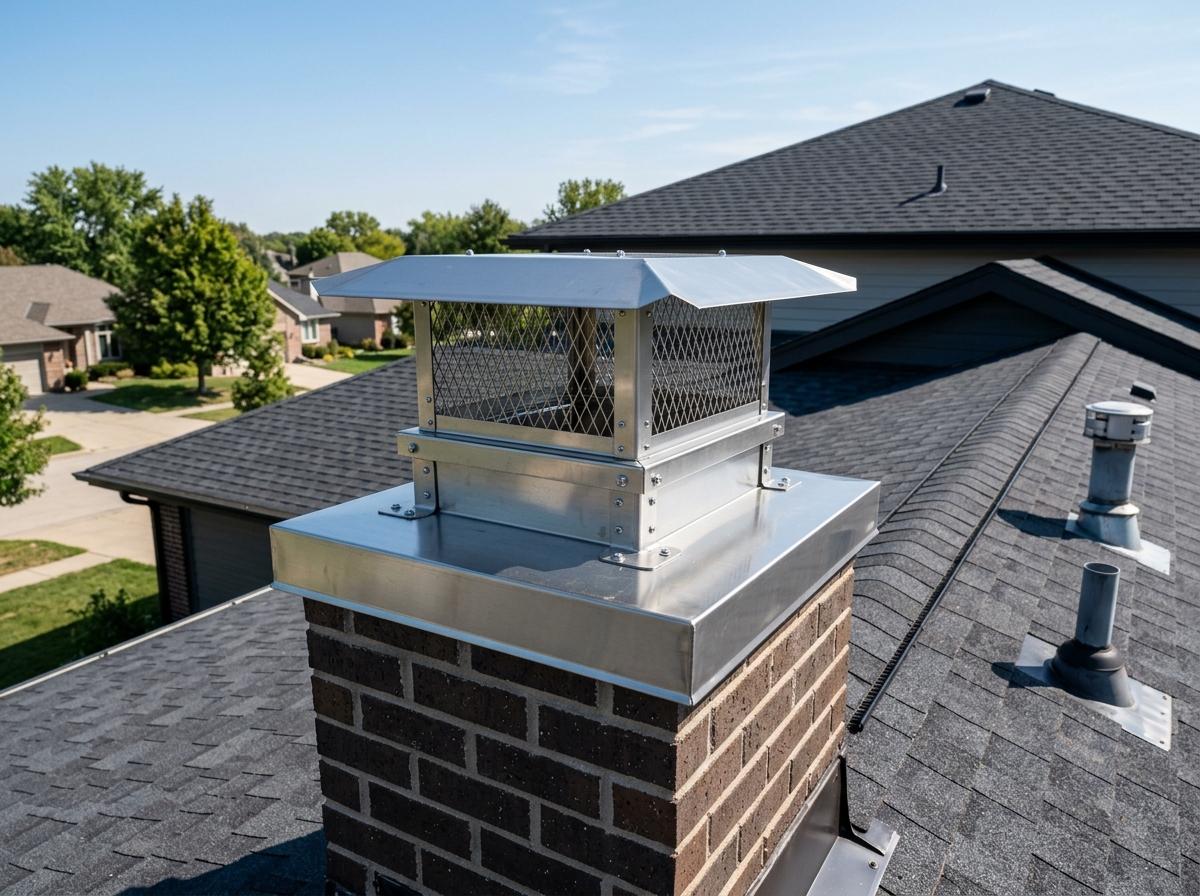
When we talk about home maintenance in Metro Atlanta—from Marietta down to Peachtree City—we often focus on the big stuff like roofing or siding. However, the humble chimney cap is one of the most hardworking components of your home's exterior. Think of it as the umbrella for your fireplace. Without it, your chimney is essentially a giant straw inviting rain, squirrels, and debris directly into your living room.
A quality chimney cap provides several layers of protection:
If you are budgeting for a home repair, knowing the "middle of the road" price helps you spot a fair quote. Most homeowners spend between $75 and $500 for a new chimney cap, with the national average sitting right around $300. However, if you have a massive multi-flue chimney or want a high-end decorative look, that price can climb toward $1,000.
The total chimney cap replacement cost is generally split 50/50 between the unit itself and the labor to install it. For example, a mid-range stainless steel cap might cost $150, while a professional installer might charge another $150 to safely climb your roof, remove the old rusted unit, and secure the new one. You can find more detailed pricing data in this Chimney Cap Replacement Cost Guide or browse specific styles on our chimney-caps page.
Size is one of the biggest variables in pricing. A small 6x6 inch cap for a wood-burning stove pipe is significantly cheaper than a 17x29 inch cap designed to cover a large masonry chimney.
Material Average Unit Cost Estimated Lifespan Pros/Cons Galvanized Steel $15 – $200 3 – 5 years Cheapest; prone to rust and roof staining Aluminum $40 – $150 5 – 10 years Lightweight; won't rust but can be flimsy Stainless Steel $50 – $500 10 – 25+ years Best value; rust-proof and very durable Copper $150 – $900 25 – 50+ years Premium look; lifetime durability; expensive
When we provide estimates in places like Alpharetta or Newnan, we have to look at more than just the metal. Several "hidden" factors can move the needle on labor costs:
For a deeper dive into these variables, check out this resource on How Much Does a Chimney Cap Cost to Install?
Choosing the right material is the difference between doing this job once every five years or once every thirty years.
If you’re looking at your chimney and realizing the metal plate underneath the cap (the chase cover) is also looking rough, you might want to read our guide on chimney-chase-cover-atlanta.
Most homes in Metro Atlanta can use prefabricated caps. These are off-the-shelf models made in standard sizes. They are affordable and can be installed quickly.
However, custom-made solutions are necessary if:
Custom caps usually carry a 20% to 40% price premium because they are fabricated to your chimney's exact specifications.
We often get asked, "Can't you just fix it?" Sometimes, the answer is yes. If a screw has come loose or there's a small dent from a fallen branch, a quick repair might only cost $100 to $200.
However, you should almost always choose replacement if:
For more help deciding, see the-ultimate-guide-to-chimney-chase-cover-repair-and-replacement-736272.
Replacing the cap is the perfect time to check the rest of the chimney system. We often find that if the cap is failing, other parts are too.
You can find more data on these add-ons at Chimney Cap Installation Data.
Can you do this yourself? Technically, yes. You can buy a galvanized cap for $60 and a tube of sealant for $10. But before you grab the ladder, consider the risks.
We want you to get the best value for your chimney cap replacement cost. Here are our insider tips:
It depends entirely on the material. Galvanized steel usually lasts 3 to 5 years before rust sets in. Stainless steel and aluminum can easily last 20 years. Copper can last 50 years or more. We generally recommend inspecting your cap every year and planning for a replacement every 10 years if you use a standard stainless model.
In many Georgia municipalities, including parts of Metro Atlanta, chimney caps are indeed mandated by local building codes for safety reasons—specifically to act as spark arrestors and to prevent moisture from damaging the structure. Even if not strictly required in your specific neighborhood, most home inspectors will flag a missing cap as a major deficiency during a home sale.
A chimney cap should be installed at least 8 inches above the top of the flue liner. This ensures that the fireplace can "breathe" properly. If the cap is too low, it restricts airflow, which can cause your fireplace to smoke or prevent the fire from getting enough oxygen to burn cleanly.
At Matt’s Exteriors, we believe that every detail of your home’s exterior matters—from the shingles on your roof to the cap on your chimney. Serving the Metro Atlanta area since 2007, we’ve completed over 12,000 projects with a focus on high-quality workmanship and trusted materials. Whether you're in Marietta, Newnan, or Suwanee, we treat your home like it’s our own.
Don't wait for a leak or a family of raccoons to tell you it's time for a change. Replacing a worn-out chimney cap is one of the most affordable ways to prevent thousands of dollars in future masonry and water damage.
Ready to protect your home? Schedule your chimney cap consultation with us today, and let’s make sure your chimney is ready for whatever the Georgia weather throws its way!