
Get Your Instant Quote Now!
Get Started
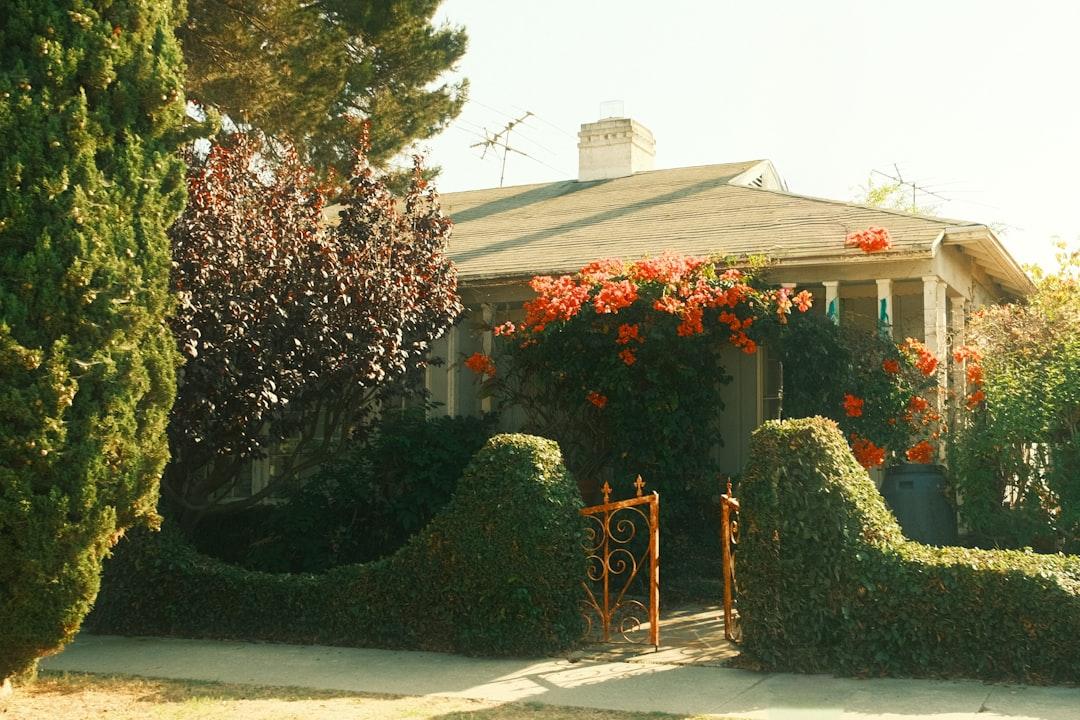
A cottage front door is one of the fastest ways to boost your home's curb appeal and give it a warm, welcoming character. Here's a quick overview of what defines the style and your main options:
What is a cottage front door?
Most popular cottage door materials:
Material Best For Key Benefit Solid/Engineered Wood Traditional authenticity Natural warmth and beauty Fiberglass Low maintenance Resists rot, dents, and rust Composite Energy efficiency A-rated insulation performance Steel High security Robust protection, slim profile
Most popular cottage door colors: muted greens, warm creams, soft blues, and natural wood stains.
The cottage door style has surged in popularity — and it's easy to see why. Classic cottage entry doors now rank among the top three most requested exterior door styles for homes built before 1980 in the U.S. Whether you're restoring a period home or adding character to a newer build, the right cottage front door can completely transform how your home looks and feels from the street.
But with so many materials, glass options, colors, and security features to consider, choosing the right door can feel overwhelming — especially when you're already juggling everything else that comes with owning a home in Metro Atlanta.
I'm Matt Lopez, founder of Matt's Exteriors, and over nearly two decades of exterior renovation work across the Atlanta metro area, I've helped countless homeowners select and install cottage front doors that balance timeless style with real-world durability. This guide will walk you through everything you need to know to make a confident, informed choice.
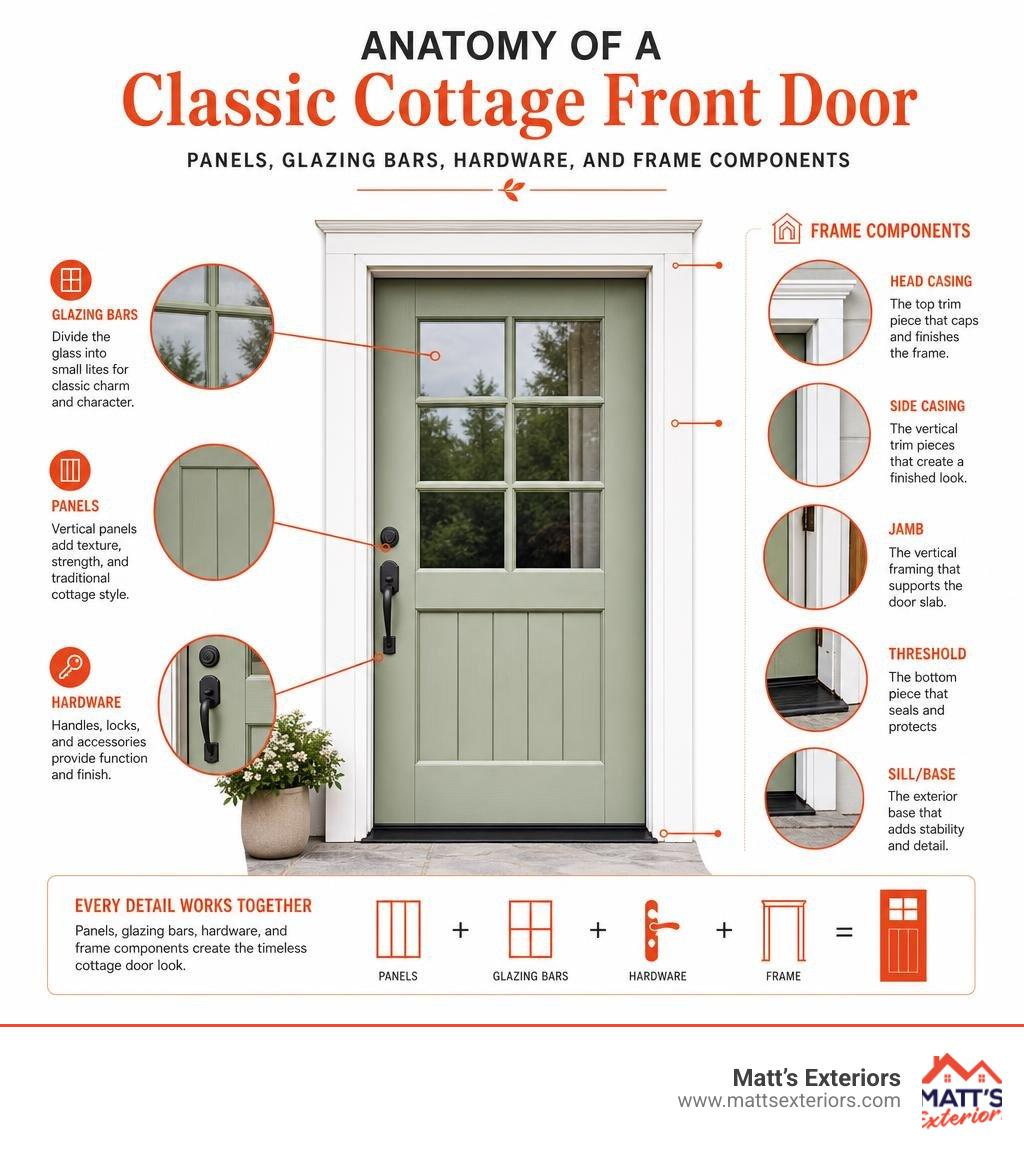
To understand the appeal of the cottage style, we have to look at its architectural history. Originating in rural Europe, traditional cottages were built using local materials and straightforward craftsmanship. The front door wasn't meant to show off wealth or status; it was designed to protect the home from the elements while offering a humble, cheerful greeting to neighbors.
At its core, a classic cottage front door is defined by its cozy, human-scale design. Unlike grand, imposing double doors found on colonial estates, a cottage door is proportional and approachable. It relies heavily on vertical planking—reminiscent of tongue-and-groove boards—to create texture and visual interest. Rather than flat, sterile surfaces, the face of the door features deep grooves that catch the light and cast soft shadows, giving the entryway a rich, tactile depth.
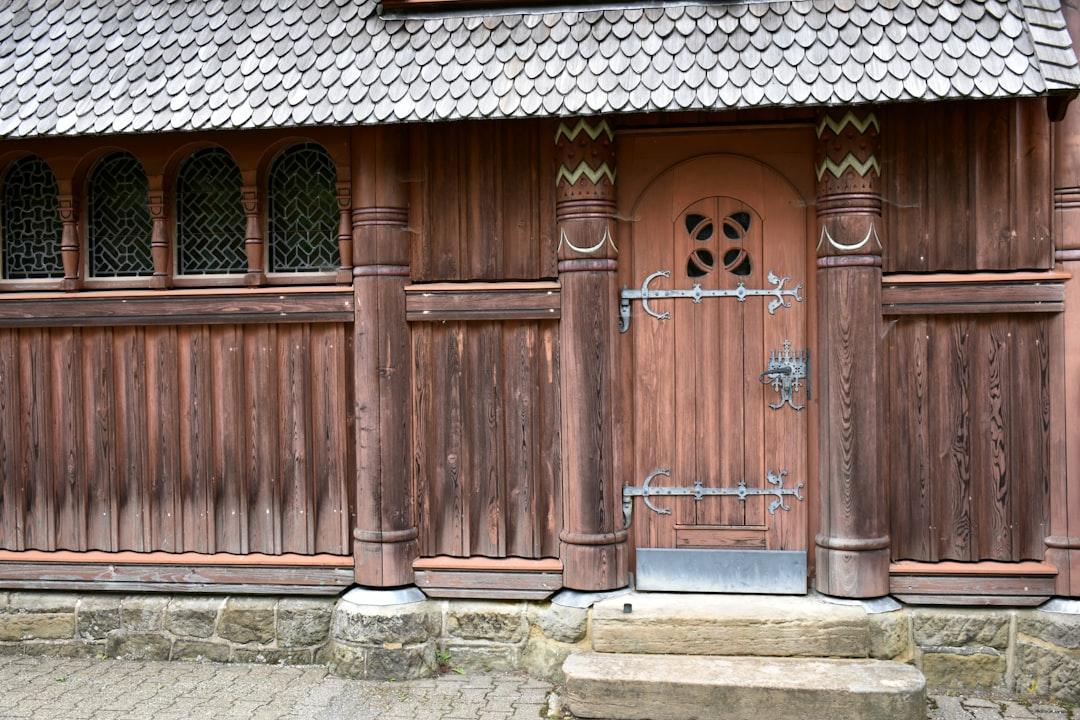
While modern doors lean into sharp, minimalist lines and traditional doors often showcase formal, symmetrical raised panels, the cottage door strikes a perfect middle ground.
Choosing the right material for your cottage front door is a balancing act between aesthetics, maintenance, and the local climate. Here in Metro Atlanta—from the humid summers of Marietta and Alpharetta to the rainy winters of Peachtree City and Newnan—our doors have to withstand intense UV exposure, high humidity, and rapid temperature shifts.
To help you navigate your options, we've broken down the four primary materials used in cottage door construction. For a deeper dive into all your options, check out our comprehensive guide to exterior doors.
Feature Solid/Engineered Wood Fiberglass Composite High-Security Steel Aesthetic Appeal Unmatched natural grain Excellent wood mimicry Modern, clean lines Sleek, industrial-classic Maintenance High (regular sealing/painting) Very low (occasional wipe down) Low (minimal upkeep) Low (durable powder coat) Durability Prone to warping/splitting Resists dents, rot, & rust Highly impact-resistant Extremely strong; can dent Insulation (U-Value) Moderate High Outstanding (A-rated) Excellent (with foam core) Price Range Premium Moderate to High Moderate to High Economical to Premium
There is nothing quite like the weight, feel, and smell of a real wood door. For many homeowners, solid wood is the only acceptable choice for a true cottage aesthetic.
Historically, solid wood doors were prone to warping, twisting, and splitting as they absorbed moisture from the air. Today, manufacturers have solved this issue by using an engineered core covered with a thick, high-quality real wood veneer, such as American white oak or rich mahogany. This engineered construction provides incredible structural stability while preserving the natural beauty of the timber.
If you love the authentic look of oak, options like the Cottage External Oak Front Door - Bevel Double Glazedo – Direct Doors or the Oak Cottage Glazed 1L - Homestyle By Kelvin Timber offer beautiful vertical paneling combined with the strength of modern engineering. For a classic hardwood finish, the Cottage Glazed Hardwood External Door | Traditional & Durable provides a robust, paintable, or stainable surface that can be customized to match your home's exact exterior palette.
If the thought of sanding and refinishing a wood door every few years makes you break out in a sweat, fiberglass or composite is your best bet.
Modern fiberglass doors can replicate the deep grain patterns of cherry, oak, or mahogany so perfectly that most visitors won't realize it isn't real wood until they knock on it. Fiberglass is incredibly tough; it resists denting, rusting, and rotting, making it an excellent choice for the humid Georgia climate.
Composite doors are another fantastic option, especially if energy efficiency is a top priority. By combining a rigid timber sub-frame with a high-density insulating foam core and a durable glass-reinforced plastic (GRP) skin, composite exterior doors offer the ultimate blend of traditional looks and modern performance. They are incredibly low-maintenance and hold up beautifully against the elements year after year.
For homeowners who want maximum peace of mind without sacrificing historic charm, modern steel cottage doors are a revelation.
While you might associate steel with cold, commercial buildings, a high-quality residential steel door can be beautifully finished with a textured powder coating that mimics the appearance of uPVC or composite. Take a look at the Cottage Style Front Door | Latham's Steel Security Doors —it combines a classic, cozy aesthetic with an incredibly robust, multi-point locking steel construction. These doors offer slim sightlines, superior strength, and exceptional resistance to forced entry, keeping your family safe while maintaining your home's welcoming look.
Once you've settled on a material, the real fun begins. Designing your cottage front door allows you to inject your personal style into your home's exterior, turning a functional element into a stunning focal point.
Glass plays a vital role in cottage door design. Because traditional cottages were often cozy (read: slightly dark), homeowners used glazed door panels to flood their entryways with natural light.
To maintain a balance between light and privacy, look for double- or triple-glazed units featuring leaded glass, bevels, or textured finishes. If your entryway faces a busy street in Roswell or Smyrna, choosing frosted glass exterior doors or ornamented privacy glass will let the sunshine in while keeping prying eyes out.
For a complete, ready-to-install setup, a kit like the Cottage External Hardwood Front Door and Frame Set - Bevelled Double G – Direct Doors provides a beautifully balanced glazed panel surrounded by a matching, durable frame.
Color is the ultimate expression of your home's personality. While modern styles stick to black, white, or gray, cottage design embraces a softer, more playful palette:
The right hardware acts as the jewelry for your door. To stay true to the cottage aesthetic, avoid ultra-shiny chrome or highly polished brass. Instead, opt for:
A great front door can't just look pretty; it has to perform. It is your home's first line of defense against the elements, drafts, and unwanted visitors. When shopping for a new door, always look at how the door and its frame are constructed to ensure long-term comfort and security. You can explore our options for exterior doors with frames to see how a complete, professionally sealed unit keeps the elements out.
In the heat of a Georgia summer, the last thing you want is your expensive air conditioning escaping through a drafty front door.
Thermal efficiency is measured by "U-values"—the lower the U-value, the better the door is at preventing heat transfer. While older, uninsulated doors often have U-values above 2.5 W/m²K, modern composite and steel-reinforced doors can achieve U-values below 1.0 W/m²K. Look for doors constructed with insulated polyurethane foam cores, durable weatherstripping, and triple-glazed glass units to keep your home comfortable and your energy bills low.
Your front door should make you feel safe. Modern cottage doors combine historic charm with state-of-the-art security features.
If security is your top priority, look for doors with a PAS 24 Cottage Style Door - Secured by Design | Latham's Steel Doors certification. This means the door has been rigorously tested against common forced-entry methods, including drilling, picking, and crowbar attacks.
Standard security features should include:
Yes, but it depends heavily on how the door is constructed. Many standard engineered oak and hardwood cottage doors feature a "lipping" (a solid wood edge) around the perimeter. For example, a quality door often allows you to trim up to 12mm to 15mm off each of the four edges to achieve a custom fit in an older, slightly settled frame. However, you should never attempt to trim composite, fiberglass, or steel doors, as cutting into their sealed edges will ruin their structural integrity, void their warranty, and destroy their insulating properties. These materials must be custom-ordered to your frame's exact measurements.
Wooden doors require regular love and attention to protect them from moisture and UV damage. If you install an unfinished wood door, you must apply a high-quality exterior-grade paint, stain, or varnish to all six sides (including the top and bottom edges!) before hanging it. Every two to five years, depending on how much direct sunlight and rain your entryway receives, you should lightly sand the door and apply a fresh protective topcoat. Keep an eye on the weatherstripping around the frame and replace it if it becomes worn or brittle.
If you want a door that you can install and essentially forget about, fiberglass or composite is the clear winner. Unlike wood, these materials will never warp, bow, split, or rot when exposed to Georgia's high humidity. Unlike steel, they won't rust or easily dent if hit by a stray toy or package. To keep a fiberglass or composite door looking brand new, all you need to do is wipe it down occasionally with a damp cloth and warm, soapy water.
A cottage front door is more than just an entry point—it's a warm embrace for your family and a welcoming statement to everyone who visits. By choosing the right blend of historic style, durable materials, and modern security features, you can create an entryway that will bring joy and curb appeal to your home for decades to come.
Whether you live in a historic bungalow in Duluth, a cozy cottage in Woodstock, or a modern family home in Kennesaw, we are here to help. At Matt's Exteriors, we've spent nearly twenty years providing Metro Atlanta homeowners with top-tier craftsmanship, trusted materials, and stress-free installations.
Ready to transform your home's entryway? Explore our exterior door installation services today, or reach out to our team to schedule your free consultation. Let's build something beautiful together!