
Get Your Instant Quote Now!
Get Started
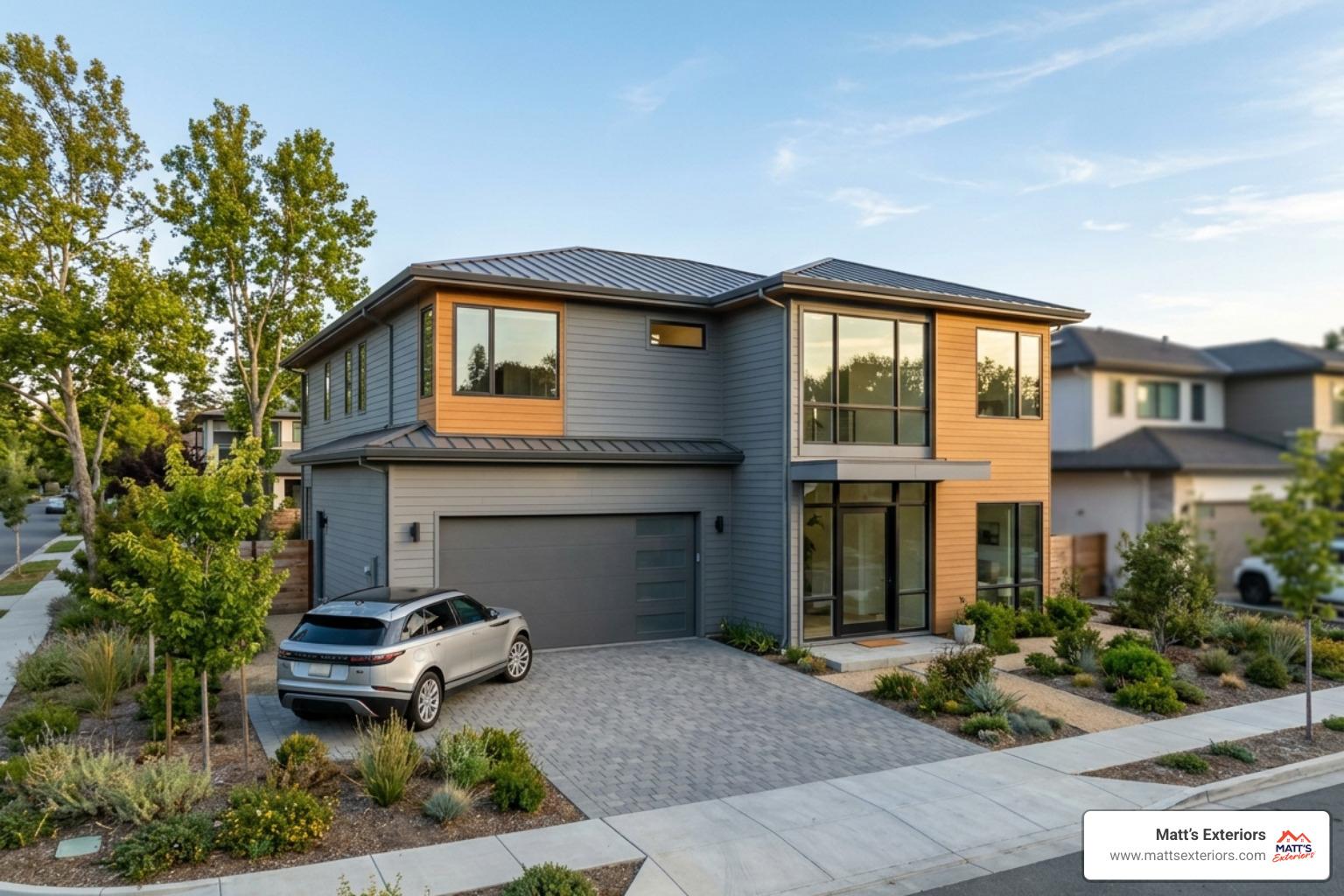
Fiber cement siding cost typically falls between $5 and $15 per square foot installed, covering both materials and labor. Here's a quick snapshot to help you budget:
Home Size Estimated Total Cost 1,500 sq ft $7,500 – $21,000 2,000 sq ft $10,000 – $30,000 2,500 sq ft $11,750 – $21,248
These numbers shift based on your home's size, style, location, and the type of fiber cement product you choose. We'll break all of that down below.
Planning a siding project in Metro Atlanta is a real investment — and getting the numbers wrong upfront can throw your entire budget off. Whether you're replacing aging wood siding or upgrading from vinyl, understanding what drives fiber cement siding costs helps you make a smarter decision before you ever talk to a contractor.
Fiber cement is one of the most popular siding materials in the country right now — and for good reason. It's durable, low-maintenance, and looks great. But it's not the cheapest option, and the total price depends on more than just square footage.
I'm Matt Lopez, owner of Matt's Exteriors, and I've been helping Metro Atlanta homeowners navigate fiber cement siding cost and installation since 2007 — including working as a James Hardie certified installer. In the sections below, I'll walk you through everything that affects your budget so you can plan with confidence.
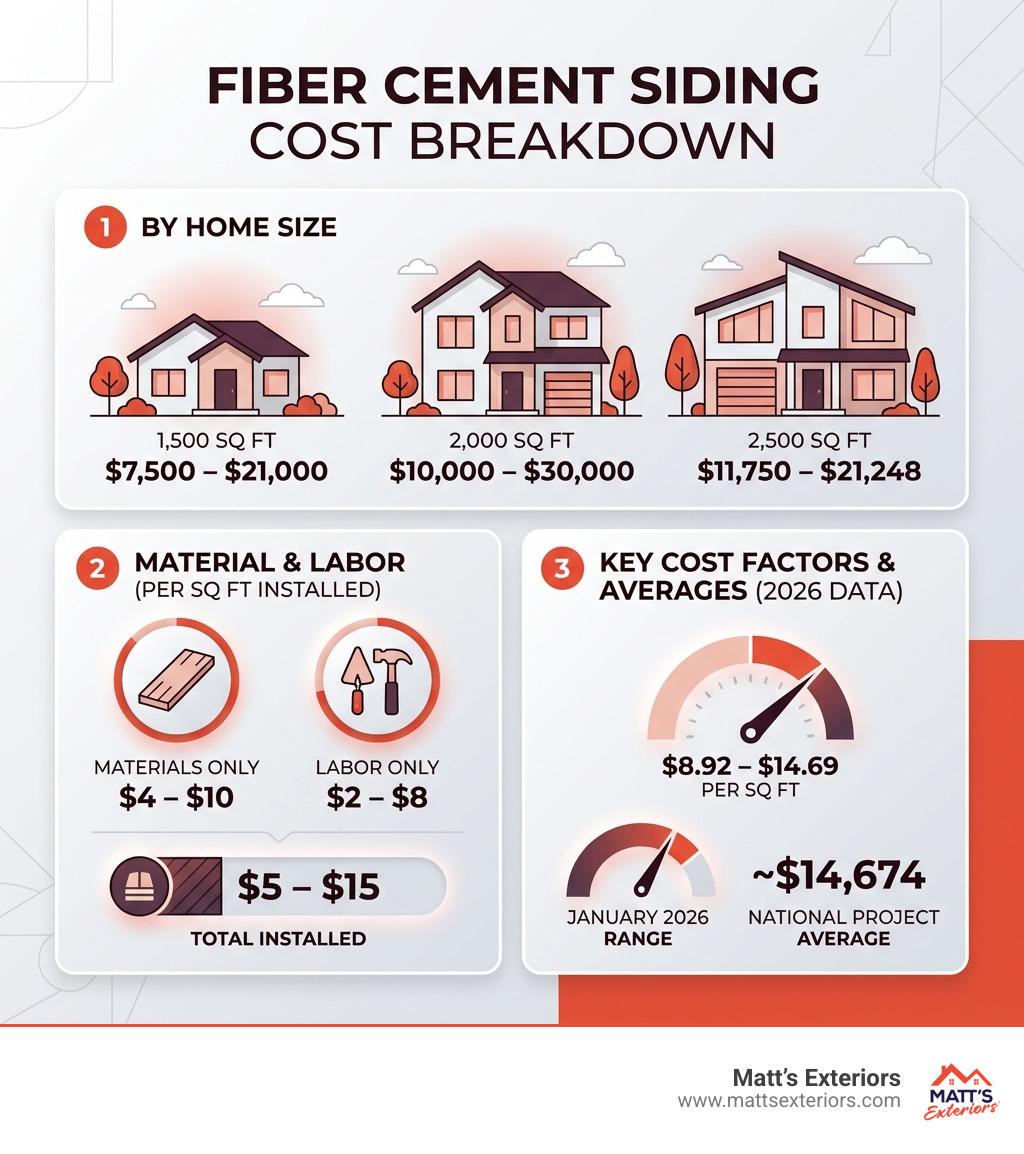
As we move through April 2026, the market for home exterior materials has stabilized, but fiber cement remains a premium choice that requires a clear financial plan. To accurately estimate your exterior siding replacement cost, you have to look beyond just the price of the boards.
According to the 2026 Fiber Cement Siding Costs | Installation Guide | Modernize, most homeowners are finding that the "unit cost method" is the most reliable way to budget. This means breaking the project down into three distinct buckets: materials, labor, and site specifics.
In 2026, the price trends show a slight increase in specialized labor costs due to the technical requirements of working with this material. Unlike vinyl, which is lightweight and snaps together, fiber cement is heavy—averaging about 2.5 pounds per square foot—and requires precision cutting and fastening.
When we look at the current 2026 Cost To Install Fiber Cement Siding | Angi, the average installation starts around $8.92 and can climb to $14.69 per square foot for premium grades.
One way we help our customers save is through bulk purchase discounts. If you are residing a large home in Marietta or Alpharetta, buying materials in quantities for 25+ squares (a "square" is 100 square feet) can sometimes drop the material price by 10% to 15%.
The size of your home is the biggest math problem in your budget. For a typical 1,500 sq ft ranch-style home, you can expect a total project cost between $7,500 and $21,000. If you move up to a 2,500 sq ft two-story home, the range typically shifts to $11,750 – $30,000.
Why such a big range? It comes down to complexity. Our siding services often involve homes with multiple gables, dormers, or high-reach areas. A multi-story home in Buckhead or Sandy Springs will naturally cost more in labor because of the scaffolding and safety equipment required to hang heavy cement boards twenty or thirty feet in the air.
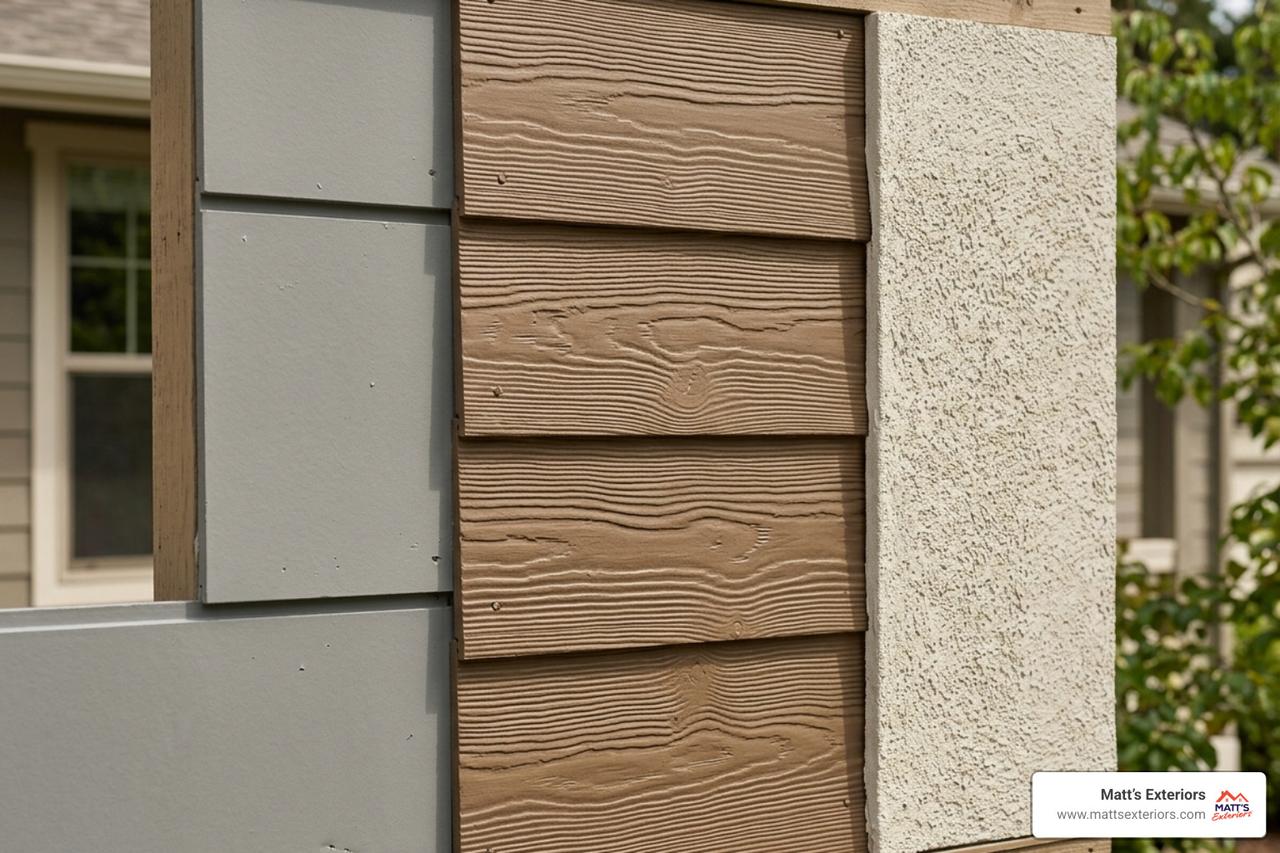
Every home in Metro Atlanta is unique, which means no two quotes for fiber cement siding cost are exactly the same. Beyond the raw square footage, several "invisible" factors can push your budget up or down.
The "look" you choose dictates a large portion of the material bill.
If you’re currently looking at wood siding installation, you’ll find that fiber cement shingles provide a nearly identical look but without the constant threat of woodpeckers or rot that we see so often in Georgia.
We often get asked, "Can I do this myself?" According to the guide on Fiber Cement Siding Cost 2026 (Pro vs. DIY), DIY is generally discouraged for fiber cement.
This isn't just a sales pitch—it's a safety and warranty issue. Fiber cement contains silica, and cutting it releases dust that requires specialized vacuum-shrouded saws to prevent lung irritation. Furthermore, because the boards are so heavy and rigid, they can snap if carried incorrectly by one person.
Professional crews use:
When you are weighing the fiber cement siding cost, it helps to see how it stacks up against the alternatives.
Feature Fiber Cement Vinyl Natural Wood Durability High (50+ years) Moderate (20-30 years) Moderate (Needs care) Fire Resistance Non-combustible Melts in high heat Highly combustible Pest Resistance Termite/Woodpecker proof Pest resistant High risk of rot/bugs Maintenance Low (Paint every 15 yrs) Very Low (Wash only) High (Stain/Paint 3-5 yrs) Upfront Cost Moderate-High Low High
One of the biggest benefits we discuss when how matts exteriors helps homeowners choose the best siding for long-lasting curb appeal is fire resistance. In a crowded suburban neighborhood, having a non-combustible exterior can provide immense peace of mind.
The drawbacks? Fiber cement is porous. If it isn't installed with a high-quality moisture barrier and proper flashing, it can absorb water over decades. It also holds more heat than wood, which is why we always recommend light-colored factory finishes or high-quality solar-reflective paints to keep your cooling bills down during those 95-degree July days in Atlanta.
While the upfront cost is higher than vinyl, the Return on Investment (ROI) is one of the highest in the home improvement world. On average, homeowners recoup about 77% to 80% of the cost in added home value.
Because it can last 50 years or more, you aren't just buying siding; you're buying a permanent solution. At Matt's Exteriors, we offer lifetime warranty siding atlanta options because we trust the materials to stand up to Georgia's intense humidity and occasional severe storms.
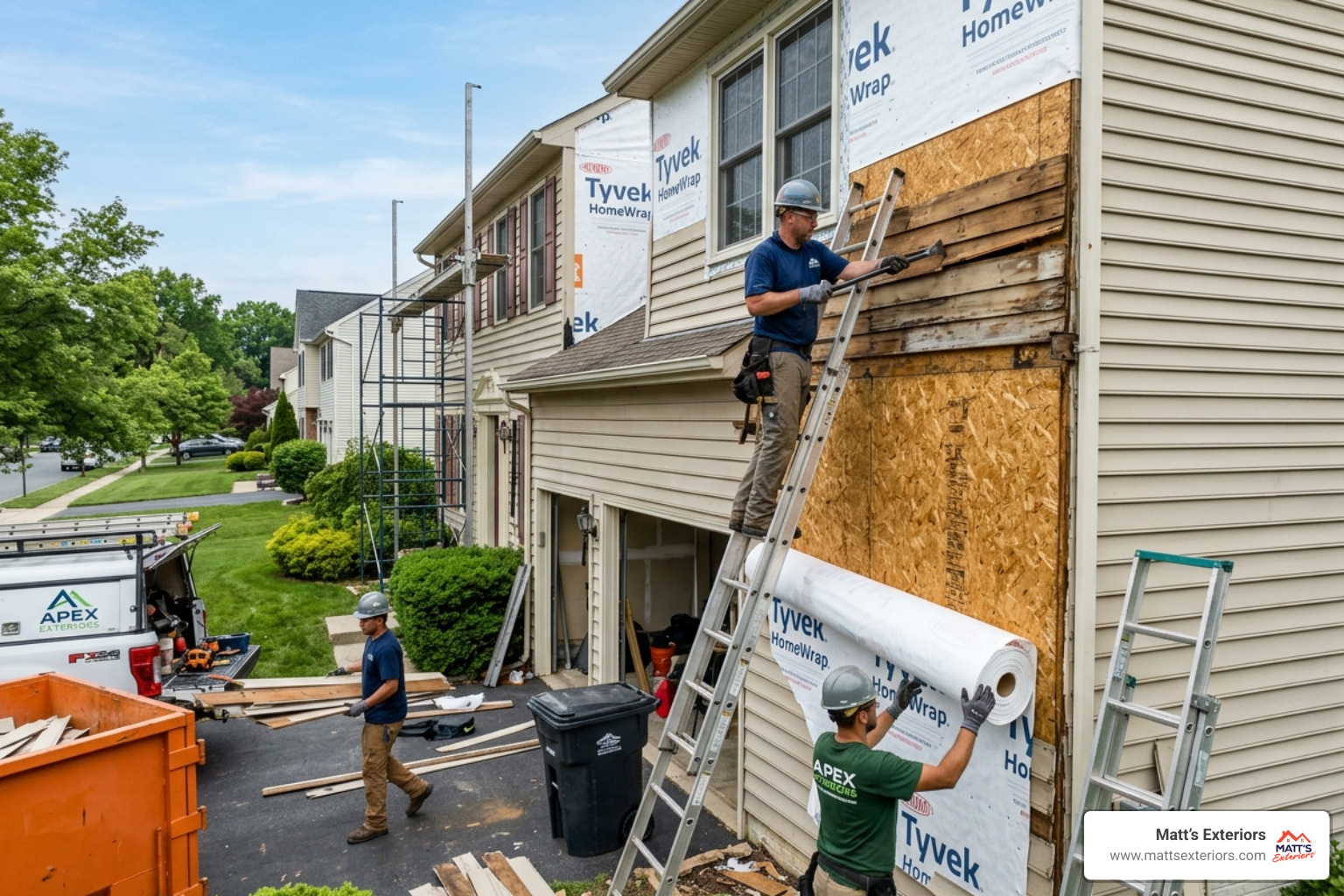
To avoid "sticker shock," you should account for these common add-ons:
If you are replacing wood siding on house, check for "package deals." We often find that homeowners save money by combining siding replacement with new gutters or windows, as the staging and equipment are already on site.
Yes, the upfront fiber cement siding cost is usually 2 to 3 times higher than basic vinyl. However, vinyl is prone to warping in the Georgia heat and can be easily damaged by hail or a stray baseball.
When you look at exterior house siding options, fiber cement is the "value" choice over 20 years. You won't be replacing cracked panels or dealing with faded, brittle plastic a decade from now.
With proper maintenance, fiber cement can easily last 50 to 70 years. Most manufacturers, like James Hardie, offer a 30-year non-prorated limited warranty on the boards themselves. This longevity makes it one of the most sustainable choices because it doesn't end up in a landfill every 15 years like cheaper materials might.
Yes, but not often. If you choose a factory-applied finish (like James Hardie's ColorPlus technology), the color is baked on and can last 15 years or more without fading. If you choose primed boards and paint them yourself or hire a pro, you’ll likely need a refresh every 7 to 10 years to maintain the UV resistance and keep the moisture barrier intact.
At Matt’s Exteriors, we believe your home deserves protection that lasts a lifetime. Since 2007, we’ve completed over 12,000 projects across Metro Atlanta, from Smyrna and Kennesaw to Peachtree City and McDonough. We know the local climate, we know the neighborhood HOA requirements, and we know how to make your budget work for you.
If you're ready to transform your home with quality siding, don't guess at the numbers. Let our family-owned team provide an honest, itemized estimate tailored to your home's specific needs.
Ready to get started? Explore our full range of siding-services and let's build something that stands the test of time.