
Get Your Instant Quote Now!
Get Started
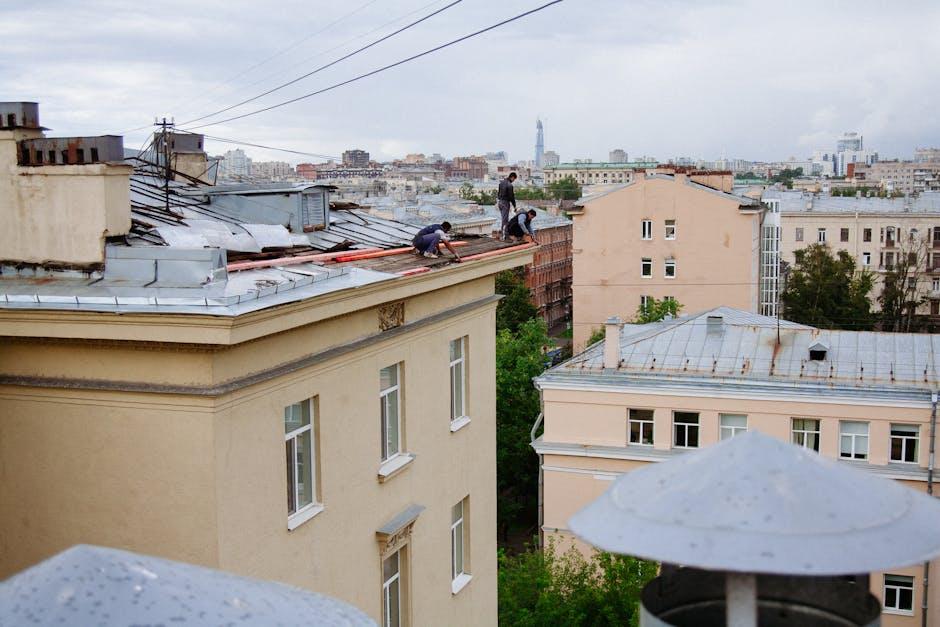
Commercial flat roof repair is the process of fixing damage to a low-slope roofing system — sealing leaks, patching membranes, reinforcing flashing, and restoring drainage — before small problems become costly disasters.
Quick answer: The most important things to know about commercial flat roof repair:
Your commercial roof is a working asset. It protects your inventory, your equipment, and your people. Most commercial flat roofs are designed to last 20 to 30 years — but only with consistent attention.
The problem is that flat roofs are easy to ignore. There's no visible slope. No obvious runoff. Water just sits there, quietly working its way into seams, insulation, and structural connections. By the time you see a stain on an interior ceiling, the damage beneath the surface is usually far worse than it looks.
That's the real risk with deferred maintenance on a flat roof: what you can't see is what will hurt you most.
I'm Matt Lopez, and through Matt's Exteriors I've spent nearly two decades helping Metro Atlanta property owners protect their buildings from exactly these kinds of exterior failures — including commercial flat roof repair and the full range of roofing and exterior systems that keep a facility running strong. In the sections below, I'll walk you through everything you need to make smart, confident decisions about your commercial roof.
In the property management world, underestimating your roof is a bit like throwing away your umbrella in the middle of a Georgia thunderstorm just because you aren't wet yet. By the time the water hits your head, the damage is done. Identifying the need for commercial flat roof repair early is the difference between a minor maintenance expense and a logistical nightmare.
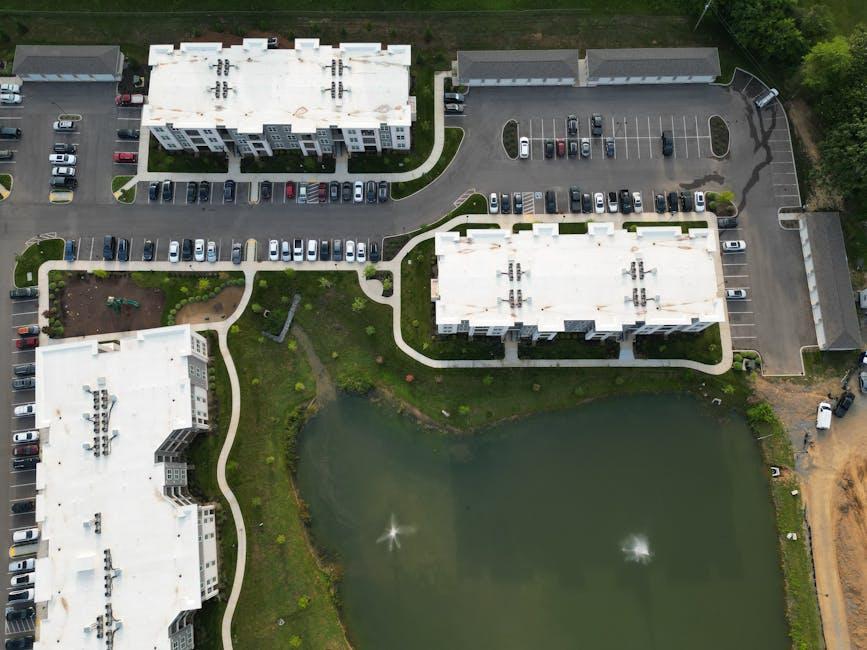
Flat roofs aren't actually 100% flat; they are designed with a slight slope (usually 1/4 to 1/2 inch per foot) to guide water toward drains. If you see standing water on your roof more than 48 hours after a rainstorm, you have a drainage problem. This "ponding" water adds immense weight to your structure and acts as a magnifying glass for UV rays, which accelerates membrane degradation. If left unaddressed, that water will eventually find—or create—a way into your building.
Sometimes the roof tells you it’s sick from the inside out. Keep an eye out for:
On the roof surface itself, look for "blistering" or "bubbling." This happens when air or moisture gets trapped between the membrane layers or between the membrane and the insulation. As the sun heats the roof, the gas expands, stretching the material.
Punctures are another common culprit. Whether it’s from a technician dropping a tool while servicing an HVAC unit or debris from a high-wind event in Alpharetta or Marietta, even a tiny hole can lead to massive "lateral water migration." This is where water enters at one point but travels horizontally through the roof assembly, eventually leaking into the building far from the original entry point. For immediate concerns, consult our Emergency Flat Roof Repair Guide to stabilize the situation.
Finally, check for a sagging roof deck. This is a structural warning sign that the underlying support may be compromised by long-term water damage or excessive weight. If you see daylight visible from the underside of the deck or notice the surface feels "spongy" when walking on it, you need a professional evaluation immediately.
Deciding whether to patch a leak or replace the entire system is a major financial decision. In May 2026, we are seeing more facility managers move toward "strategic asset management"—looking at the roof's ROI rather than just the immediate cost.
Option Best For... Typical Lifespan Extension Cost Level Repair Localized punctures, minor seam failures, or flashing issues on a roof 25 years old, widespread saturation, or structural sagging. 20–30 years High
If you find yourself calling for commercial flat roof repair every time we get a heavy rain in Buford or Sandy Springs, you've likely reached the tipping point. Frequent repairs are like putting a band-aid on a sinking ship.
One of the biggest hidden costs of an aging roof is the loss of "R-value." When roof insulation gets wet, it loses its ability to keep heat out in the summer and in during the winter. This leads to skyrocketing energy bills. We often use infrared moisture scanning to detect subsurface saturation. If more than 25% of your insulation is wet, a full replacement is usually more cost-effective than a Flat Roof Repair because it restores your building's energy efficiency and structural integrity.
A retrofit, or roof overlay, is a middle-ground option. If the deck is sound and the insulation is dry, we can often install a new membrane over the existing one. This saves on labor and disposal costs while providing a new 10-to-20-year warranty. However, building codes generally only allow for two layers of roofing, so if you already have an overlay, a full tear-off will be required next time.
The world of commercial flat roof repair has evolved significantly. We no longer rely solely on "tar and gravel." Modern membranes offer superior durability and energy performance.
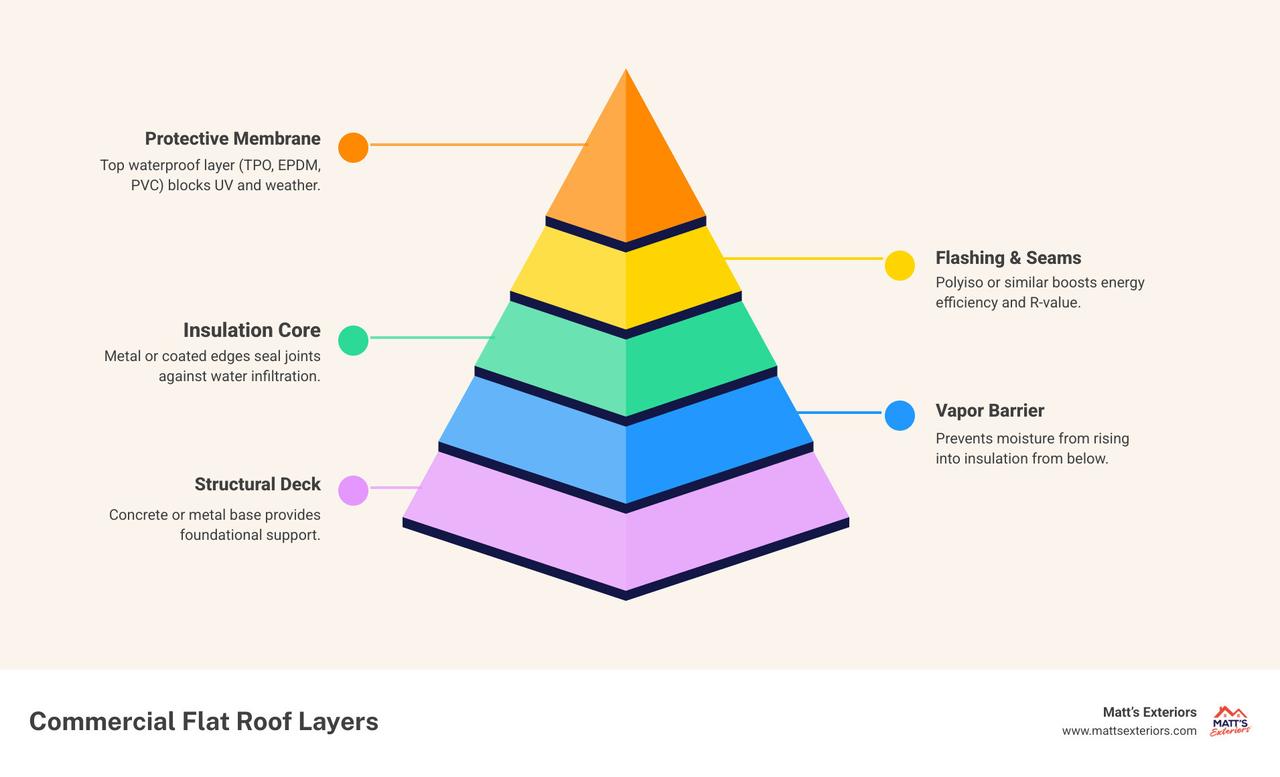
For roofs that are still in decent shape but reaching the end of their primary warranty, liquid-applied silicone or acrylic coatings can be a lifesaver. These coatings create a seamless, waterproof barrier over the entire roof, including difficult-to-seal areas like HVAC curbs and plumbing vents. We also pay special attention to "flashing reinforcement"—the metal or membrane pieces that seal the edges of the roof and any penetrations. Most leaks start at the flashing, not the field of the roof.
We don't just "look for drips" anymore; we use data and technology to ensure a permanent fix.
Costs for commercial flat roof repair vary based on the scale of the damage and the materials used. Generally, you can expect:
For large facilities over 10,000 sq. ft., we often price by the square foot, typically ranging from $3 to $10 per sq. ft. Factors like building height (which may require cranes), ease of access, and whether the repair is an emergency versus a scheduled service will influence the final quote. When considering your options, it's also helpful to understand how different materials compare, such as Rolled Roofing Vs Shingles Whats Best For A Low Slope Roof.
Think of roof maintenance like an oil change for your car. If you skip it, you'll eventually need a new engine. We recommend bi-annual inspections—once in the spring to check for winter damage and once in the fall to prepare for the rainy season.
A good maintenance plan includes:
In the Metro Atlanta area—from Alpharetta to Fayetteville—our roofs face unique challenges.
Managing your business assets shouldn't feel like a gamble every time the sky turns gray. At Matt’s Exteriors, we believe your roof should be the last thing on your mind so you can focus on running your business.
Since 2007, our family-owned team has completed over 12,000 projects across Metro Atlanta—from Buford to Peachtree City and everywhere in between. We combine high-quality workmanship with the most trusted materials in the industry to ensure your commercial flat roof repair is done right the first time. Whether you need a minor patch in Dunwoody or a full system replacement in Suwanee, we bring the same level of exceptional customer care and technical expertise to every job.
Don't wait for the next storm to test your facility's defenses. Request a professional evaluation for your commercial facility today and let us help you protect your most valuable assets for decades to come.