
Get Your Instant Quote Now!
Get Started
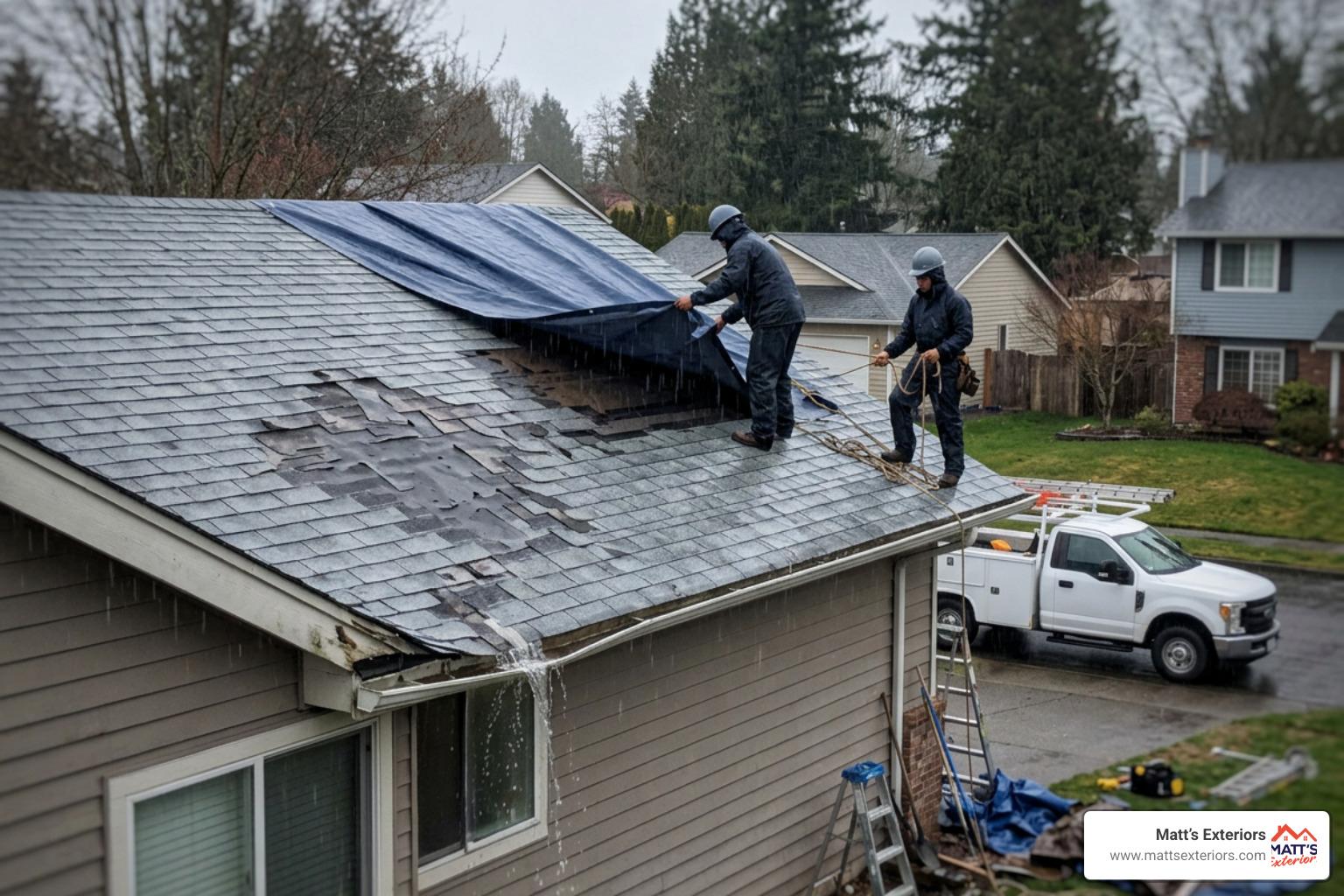
If you need emergency roof repair near me right now, here's what to do immediately:
A storm doesn't care what time it is. Neither does a tree falling through your roof.
One minute everything is fine. The next, water is pouring through your ceiling and you're not sure who to call, what to do first, or how bad the damage really is. That kind of panic is completely normal — but it can lead to costly mistakes if you act without a plan.
The good news? Most roofing emergencies are manageable when you know the right steps to take. Over 1.5 million U.S. homes experience roof damage from storms every single year, and homeowners who delay repairs can see costs climb by up to 50% due to secondary water damage. Acting fast — and acting smart — makes a real difference.
I'm Matt Lopez, founder of Matt's Exteriors, and after nearly two decades helping Metro Atlanta homeowners navigate storm damage, active leaks, and emergency roof repair near me situations, I've seen how the right response in the first hour can save thousands of dollars in repairs. In this guide, I'll walk you through exactly what to do, step by step, without the panic.
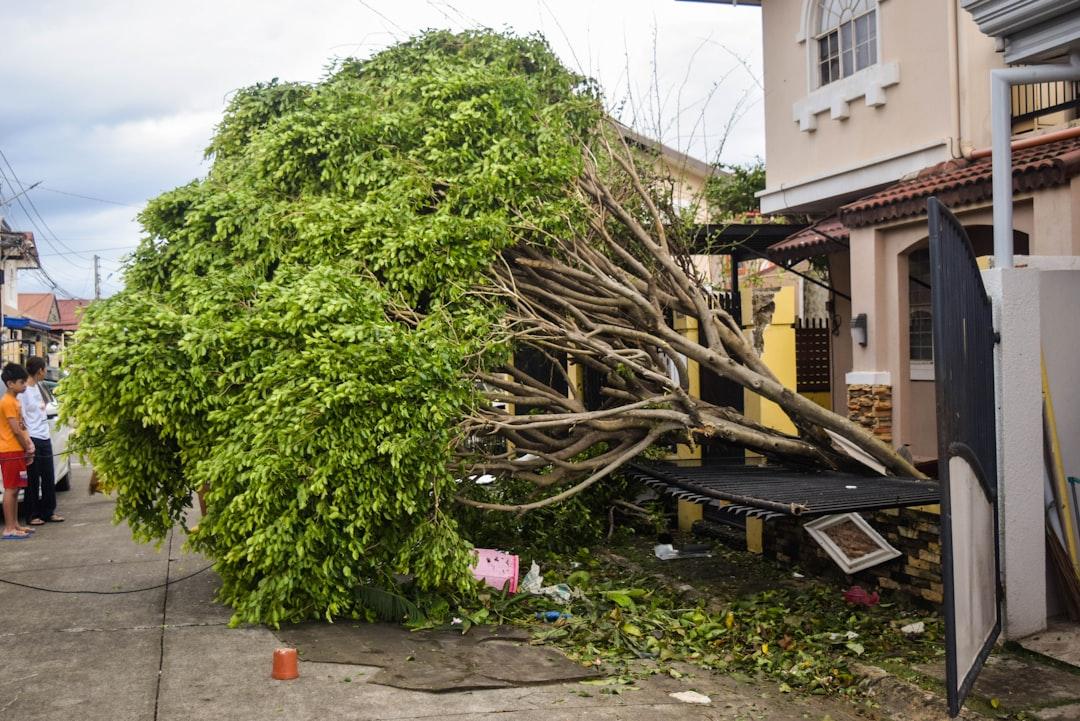
Not every roof issue requires a 2:00 AM emergency dispatch. If you notice a tiny, slow drip in your attic during a light afternoon shower, it certainly needs attention, but it can likely wait until normal business hours.
However, a true roofing emergency is any situation where the structural integrity of your home is compromised, water is actively flooding your living space, or your family's safety is at risk. Recognizing the difference saves you money and prevents unnecessary panic.
When severe weather strikes Georgia, we see everything from high winds to sudden structural impacts. If you find yourself in the middle of a major storm event, you can learn more about our rapid response system in our guide on Storm Damage: Here's How Matt's Exteriors Provides Fast, Reliable Roof Repair After Severe Weather.
You should treat the situation as an immediate emergency if you observe any of the following:
In Metro Atlanta, we experience a wide variety of weather conditions that can trigger sudden roof failures:
When disaster strikes, your first instinct might be to run outside and inspect the roof or grab a ladder to patch it yourself. Do not do this. Safety must always be your absolute highest priority.
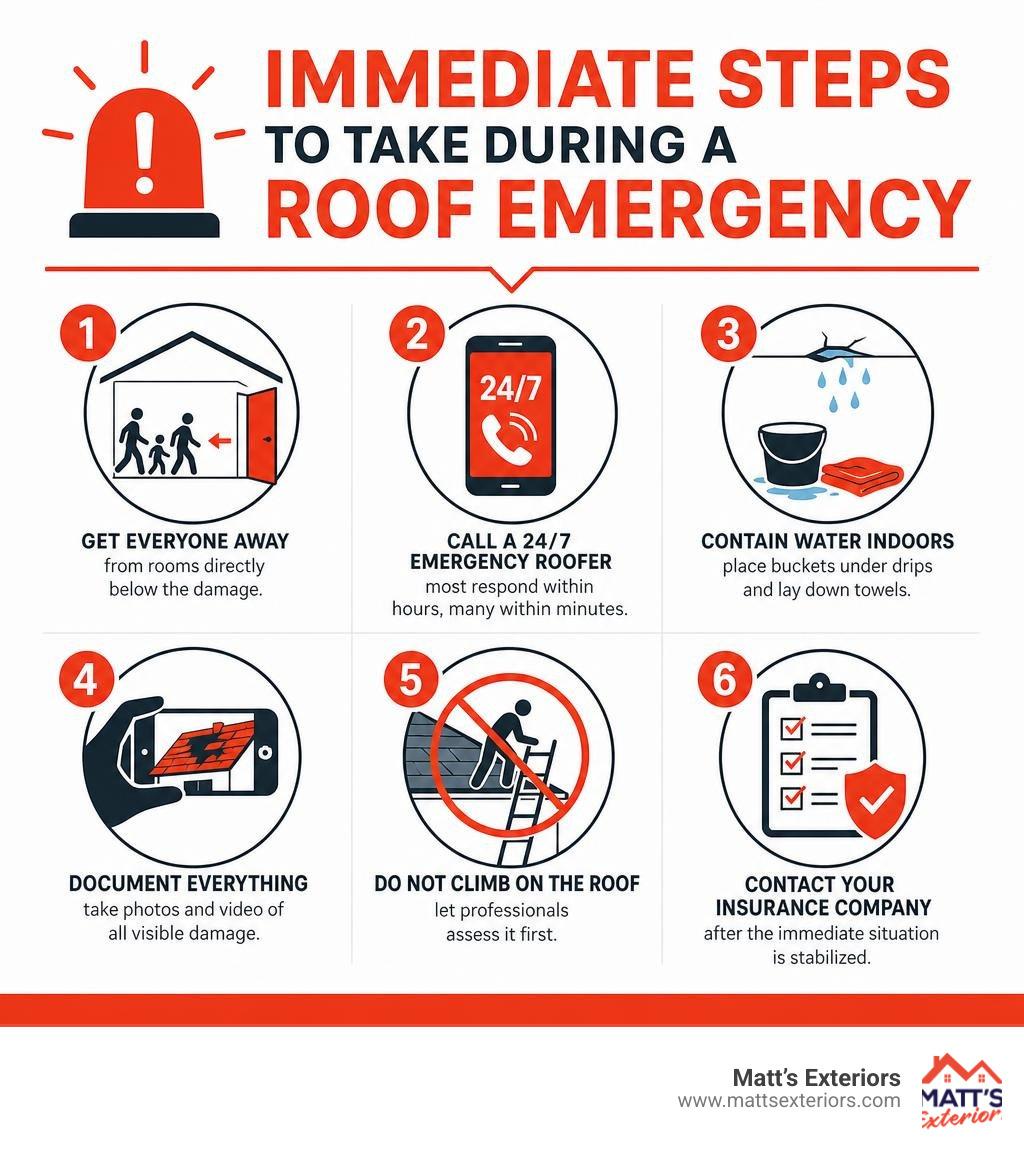
Here is what you should do in the first thirty minutes after discovering a major leak or structural impact:
While our emergency response team is on the way, you can take active steps to mitigate further interior damage:
When an emergency roofer arrives at your home during a storm or late at night, their immediate goal is stabilization, not a final, permanent fix. It is physically impossible (and highly unsafe) to properly install new asphalt shingles or underlayment during a heavy downpour or high-wind event.
Instead, emergency roofing is divided into two distinct phases: temporary protection and permanent restoration. If you have a low-slope or commercial system, you can learn about specific temporary methods in our Emergency Flat Roof Repair Guide.
Emergency roof tarping is the most common and effective way to protect your home from active weather. Our crews use heavy-duty, UV-resistant, waterproof tarps to cover the damaged areas of your roof.
We do not simply weigh the tarps down with bricks or sandbags, which can easily blow off in the next gust of wind. Instead, we secure the tarps using wooden furring strips and professional-grade fasteners, anchored safely into non-damaged sections of your roof deck. This creates a tight, weather-resistant seal that prevents water from creeping underneath.
A professionally installed emergency tarp can protect your home for several weeks—sometimes even months—giving you plenty of time to organize permanent repairs and navigate the insurance claims process. If your home features a low-slope system, we apply similar temporary sealing techniques; read more about this in our overview of Flat Roof Repair.
Once the weather clears and your home is temporarily protected, we will conduct a thorough, forensic inspection to determine if a targeted repair is enough, or if a full roof replacement is required.
A full replacement is typically necessary if:
To explore your options in detail, read our Roof Repairs Complete Guide 2026.
One of the biggest sources of panic during a roofing emergency is the fear of hidden fees and astronomical costs. While emergency services do carry a premium due to the rapid, after-hours dispatch of skilled labor, a reputable contractor will always provide upfront pricing before any work begins.
The actual cost of your emergency repair depends on several factors:
Service Type Average Cost Range What is Included Emergency Roof Tarping $300 - $750 Heavy-duty tarp, furring strips, professional anchoring, photo documentation Emergency Leak Stop $150 - $1,500 Targeted sealant application, minor shingle replacements, immediate pipe boot fixes After-Hours Premium $100 - $200 Surcharge for late-night, holiday, or weekend emergency dispatch Targeted Permanent Repair $1,200 - $3,600 Full deck replacement, ice & water shield, color-matched shingles, labor warranty
If you are looking for cost-effective ways to manage unexpected home expenses, our guide on Budget Friendly Roof Repair offers excellent financial tips.
The good news for homeowners is that most insurance policies cover emergency roof repairs—including temporary stabilization like tarping—if the damage was caused by a sudden, accidental event like wind, hail, or a fallen tree. In fact, hail and wind damage account for approximately 60% of all homeowners insurance claims in the United States.
Most insurance policies actually require you to take immediate action to protect your home from further damage after a storm. This is known as your "duty to mitigate." Hiring a professional to tarp your roof satisfies this requirement, and the cost of the tarping service is typically reimbursed as part of your overall claim.
When dealing with insurance in Metro Atlanta, make sure you:
When a major storm hits areas like Alpharetta, Chamblee, or Dunwoody, out-of-state "storm chasers" often flood the region. These are transient sales companies that knock on doors, offer cheap quick-fixes, collect insurance checks, and disappear before you realize their work was subpar.
To protect your home and your wallet, always look for local, established contractors who have a physical presence in your community. A reputable local roofer will understand the specific building codes and weather patterns of Metro Atlanta, ensuring your repairs are done right the first time.
Always verify that your chosen roofer is fully licensed, carries general liability insurance, and holds manufacturer certifications that guarantee high-quality workmanship.
When you call an emergency line, you should expect to speak with a live human being—not an automated voicemail system. A reputable emergency provider will immediately evaluate your situation, give you a realistic estimated time of arrival (ETA), and dispatch a fully equipped truck carrying heavy-duty tarps, plywood, fasteners, and professional leak-stopping sealants.
If you need immediate assistance or want to learn more about our standard repair processes, visit our dedicated Roof Repair Services page.
We strongly advise against climbing onto a damaged, wet, or wind-swept roof. Wet shingles are incredibly slick, and storm-damaged structures may have hidden weaknesses that could collapse under your weight. Additionally, walking on a damaged commercial or low-slope roof without professional equipment can cause further punctures; read more about these risks in our Commercial Flat Roof Repair guide. Always leave the climbing to trained professionals who use OSHA-approved safety harnesses and specialized staging equipment.
A professionally installed, high-quality emergency tarp secured with wooden furring strips can easily last between 30 to 90 days. The heavy-duty, UV-resistant material is designed to withstand standard rain, wind, and sun exposure while you work with your insurance adjuster and schedule your permanent repairs.
Yes, in the vast majority of cases. Homeowners insurance policies generally cover the cost of emergency mitigation services (like tarping or boarding up windows) because it prevents further, more expensive water damage inside the home. Keep all invoices and photos to submit to your adjuster for full reimbursement.
A roofing emergency is stressful, but you don't have to face it alone. By taking a deep breath, prioritizing your safety, containing indoor water, and calling a trusted local professional, you can protect your home and keep your family safe.
At Matt’s Exteriors, we have been serving Metro Atlanta families since 2007, completing over 12,000 successful projects with high-quality workmanship, trusted materials, and exceptional customer care. Whether you are dealing with storm damage in Alpharetta, an active leak in Dunwoody, or need specialized Roof Repair Newnan GA, our local, family-owned team is ready to help.
If you are currently experiencing a roofing issue or want to prepare your home for storm season, More info about our services is just a click away. Let us take the panic out of your emergency and restore your peace of mind.